
Colorado’s roofing demands differ dramatically from moderate climates. Your garage roof must handle intense UV radiation at altitude, hail storms that strike without warning, snow loads reaching 30-50 pounds per square foot in mountain areas, and temperature swings exceeding 100 degrees between seasons.
Selecting appropriate roofing materials during detached garage construction planning affects long-term performance, maintenance requirements, and how well your garage complements your home’s appearance. Understanding how different materials perform under Colorado conditions helps you make informed decisions.
Asphalt Shingles: The Colorado Standard
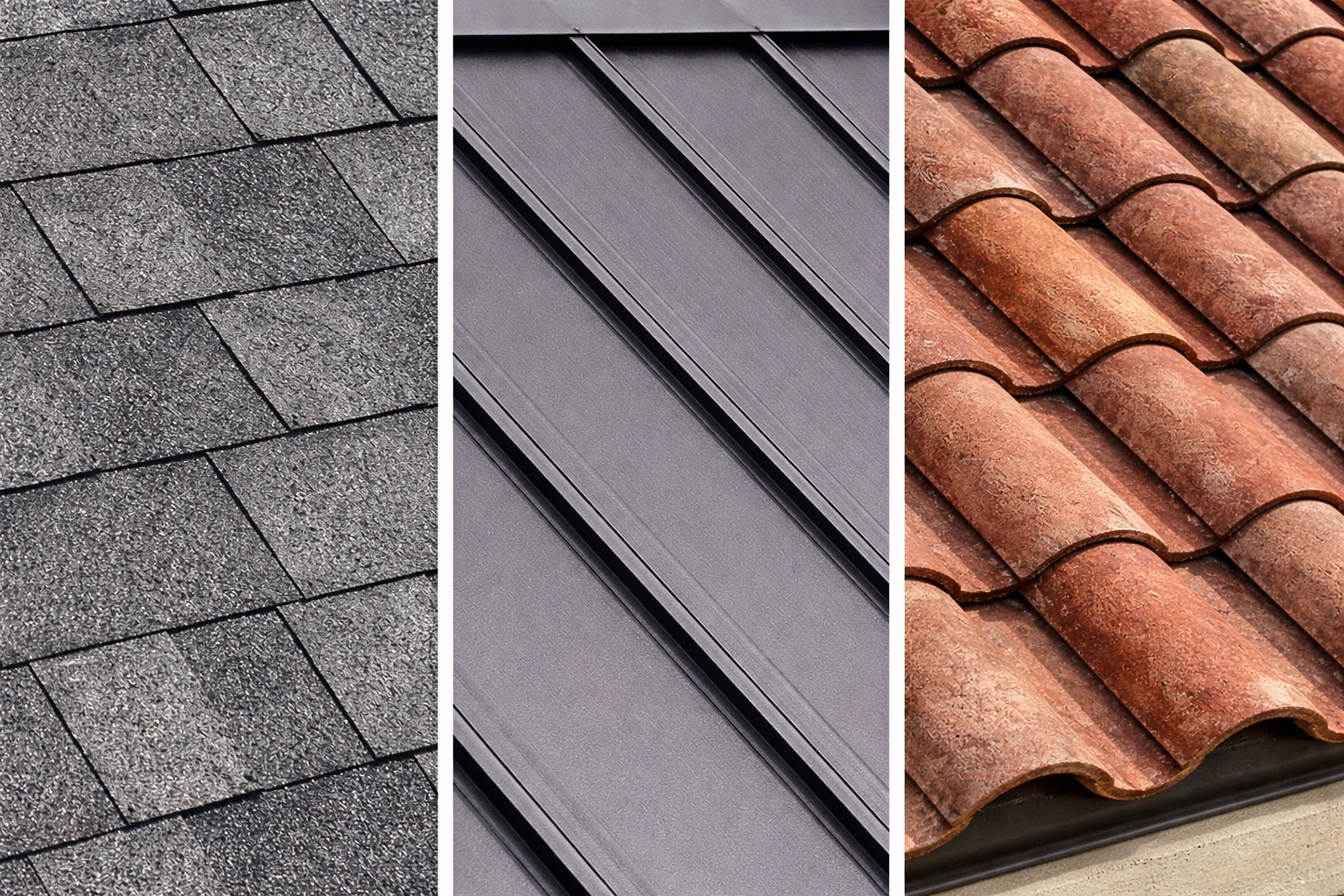
Asphalt shingles dominate Colorado garage roofing for practical reasons. They handle our climate reasonably well, cost less than premium alternatives, and come in colors and styles that match most home roofs. Modern architectural shingles offer improved durability over basic three-tab options.
For Colorado installations, Class 4 impact-resistant shingles provide the best hail protection. These shingles undergo testing with two-inch steel balls dropped from specific heights, simulating hail impacts. The reinforced construction resists cracking and punctures that damage standard shingles.
Asphalt shingle warranties typically run 25-30 years, though Colorado’s UV intensity and weather extremes often reduce actual lifespan to 18-22 years. Proper installation with adequate ventilation extends performance. Choose shingles rated for high wind resistance since our plains and mountain areas experience significant wind events.
Color selection matters more than many homeowners realize. Dark shingles absorb heat, potentially shortening lifespan in our intense sun. Lighter colors reflect more UV radiation and maintain better appearance over time. However, matching your home’s existing roof typically takes priority over theoretical performance benefits.
Metal Roofing: Premium Durability
Metal roofing delivers exceptional performance for Colorado garages. Steel, aluminum, and metal tile systems resist hail damage better than most alternatives, shed snow effectively, and handle UV exposure without degrading. Properly installed metal roofs often last 40-50 years with minimal maintenance.
The initial cost exceeds asphalt shingles significantly, sometimes doubling or tripling expenses. This investment pays dividends through longevity and reduced maintenance. Metal roofs rarely need repairs beyond occasional fastener checks and sealant touch-ups.
Snow management becomes simpler with metal roofing. The smooth surface allows snow to slide off naturally, reducing structural load concerns. This matters particularly in mountain areas or properties receiving heavy snow. However, sudden snow releases can be dangerous, so install snow guards if your garage sits near walkways or parking areas.
Metal roofs expand and contract with temperature changes more than other materials. Quality installations use fastening systems that accommodate this movement without loosening or creating leaks. Proper installation techniques are essential for long-term performance in climates with extreme temperature variations.
Aesthetic concerns sometimes limit metal roofing choices. While standing seam metal creates modern, clean lines that suit contemporary garages, some homeowners prefer metal to match traditional home roof styles. Metal shingles and tiles that replicate wood shake or clay tile appearances offer compromise solutions.
Architectural vs. Three-Tab Shingles
Understanding shingle types helps optimize your garage roofing investment. Three-tab shingles cost less but offer basic protection with flat appearance and shorter warranties. These work for budget-conscious projects where premium performance matters less.
Architectural (dimensional) shingles provide superior performance through heavier construction, better wind resistance, and a more attractive appearance with varied shadow lines. The additional thickness helps resist Colorado’s hail impacts. Most architectural shingles qualify for Class 4 impact ratings when properly specified.
The cost difference between three-tab and architectural shingles typically runs 20-30%. Given Colorado’s weather challenges, this investment usually makes sense. Architectural shingles also improve curb appeal if your garage sits prominently on your property.
Tile Roofing Considerations
Concrete and clay tiles offer a distinctive appearance and exceptional durability. These materials resist fire, insects, rot, and UV degradation effectively. Properly installed tile roofs can last 50+ years, outlasting most other options.
However, tile creates significant challenges for Colorado garages. The material weighs substantially more than shingles or metal, requiring reinforced roof structures. This adds construction costs beyond the premium tile material prices. Tile also becomes brittle in freezing temperatures and can crack from hail impacts despite its reputation for durability.
Tile works best for upscale detached garages in architectural styles where tile complements the overall design. Spanish, Mediterranean, and some contemporary styles integrate tile naturally. For standard residential garages, the cost and structural requirements usually outweigh aesthetic benefits.
Rubber and Synthetic Materials
Synthetic roofing materials replicate slate, shake, or tile appearances while offering improved weather resistance and lighter weight. These engineered products resist UV damage, shed water effectively, and handle temperature extremes better than the natural materials they imitate.
Rubber roofing (EPDM) works well for flat or low-slope garage roofs. This membrane system creates watertight barriers that handle ponding water without degrading. Our temperature extremes challenge rubber systems less than they affect some alternatives. Proper installation with adequate drainage prevents the ponding that shortens rubber roof lifespans.
Synthetic slate and shake products cost more than asphalt shingles but less than real slate or cedar. They provide middle-ground options when you want premium appearance without extreme costs or maintenance requirements. These materials resist Colorado’s hail reasonably well, though performance varies by manufacturer and specific product.
Roof Pitch and Material Selection
Your garage roof’s slope affects material suitability. Steep pitches accommodate almost any material since gravity helps water and snow shed naturally. Low-slope roofs require materials specifically designed for minimal pitch applications.
Asphalt shingles require minimum 2:12 pitch for warranty coverage. Steeper pitches improve shingle performance and longevity. Metal roofing handles lower pitches better, working effectively at 1:12 or even less with proper panel selection and installation techniques.
Flat or nearly flat garage roofs need membrane systems like rubber, TPO, or modified bitumen. These materials create waterproof barriers that handle the ponding water inevitable on minimal-slope roofs. Consider how snow accumulation affects flat roofs in your specific location.
Color and Energy Considerations
Roof color affects garage interior temperatures and material longevity. Light colors reflect more solar radiation, keeping uninsulated garages cooler during summer and potentially extending roof life by reducing thermal stress. Dark colors absorb heat, which can help melt snow faster but may accelerate material aging.
For detached garages, roof color primarily affects interior comfort during summer months and material longevity. While energy efficiency matters less for unheated detached structures, proper ventilation and insulation still provide benefits for workshop use or temperature-sensitive storage.
Matching your home’s roof color creates visual cohesion across your property. Most homeowners prioritize this aesthetic consideration over potential performance differences between light and dark colors. The practical impact of color choice matters less than proper material selection and installation quality.
Ventilation Requirements
Proper roof ventilation extends material life and prevents moisture problems regardless of roofing type. Colorado’s temperature extremes create condensation risks when warm garage air meets cold roof surfaces. Adequate ventilation removes this moisture before it damages roof structures or creates ice dams.
Ridge vents combined with soffit vents create effective airflow through natural convection. Gable vents work for some garage designs. Powered ventilation fans help in situations where passive systems don’t provide sufficient air movement.
Ice dams form when heat escapes through poorly insulated or ventilated roofs, melting snow that refreezes at roof edges. This ice buildup forces water under roofing materials, creating leaks. Proper ventilation and insulation prevent ice dam formation more effectively than any roofing material choice.
Installation Quality Matters
Even premium roofing materials fail when installed improperly. Colorado’s wind and weather expose installation deficiencies quickly. Proper underlayment, correct fastener spacing, adequate flashing, and attention to valley details all affect long-term performance.
Experienced contractors understand Colorado-specific requirements including enhanced wind resistance specifications, proper ice and water shield placement, and snow retention considerations. These details prevent problems that compromise roof integrity regardless of material quality.
Frequently Asked Questions
What roofing material best handles Colorado hail?
Class 4 impact-resistant asphalt shingles or metal roofing provide the best hail protection for garages. Metal resists denting better than most alternatives, while Class 4 shingles offer good protection at lower cost.
Should my garage roof match my house roof?
Most homeowners match garage and house roofing for visual cohesion. This isn’t required, but matching materials and colors create unified appearance across your property.
How long do garage roofs last in Colorado?
Asphalt shingles typically last 18-22 years in Colorado despite longer warranties. Metal roofs often last 40-50 years. Actual lifespan depends on material quality, installation, and specific weather exposure.
Do I need special roofing for mountain properties?
Mountain garages often require enhanced snow load capacity and may benefit from metal roofing that sheds snow effectively. Local building codes specify requirements based on elevation and snowfall data.
Is metal roofing worth the extra cost?
Metal roofing costs more initially but lasts significantly longer than asphalt shingles with minimal maintenance. The investment makes sense for premium garage projects or situations where longevity matters most.
What roof pitch works best for Colorado garages?
Steeper pitches (6:12 or greater) shed snow and water more effectively. However, standard 4:12 to 5:12 pitches work well with proper materials and installation. Local snow loads may dictate minimum pitch requirements.
Planning Your Garage Roof
Roof material selection integrates with overall garage construction planning. Consider how your choices affect construction timeline, total project budget, and long-term maintenance requirements. Proper material selection during design prevents problems and ensures your garage roof performs reliably for decades.
Working with experienced Colorado garage builders ensures proper material specification, code-compliant installation, and integration with your garage’s overall design. Professional expertise prevents costly mistakes and delivers roofing that handles our demanding climate effectively.