
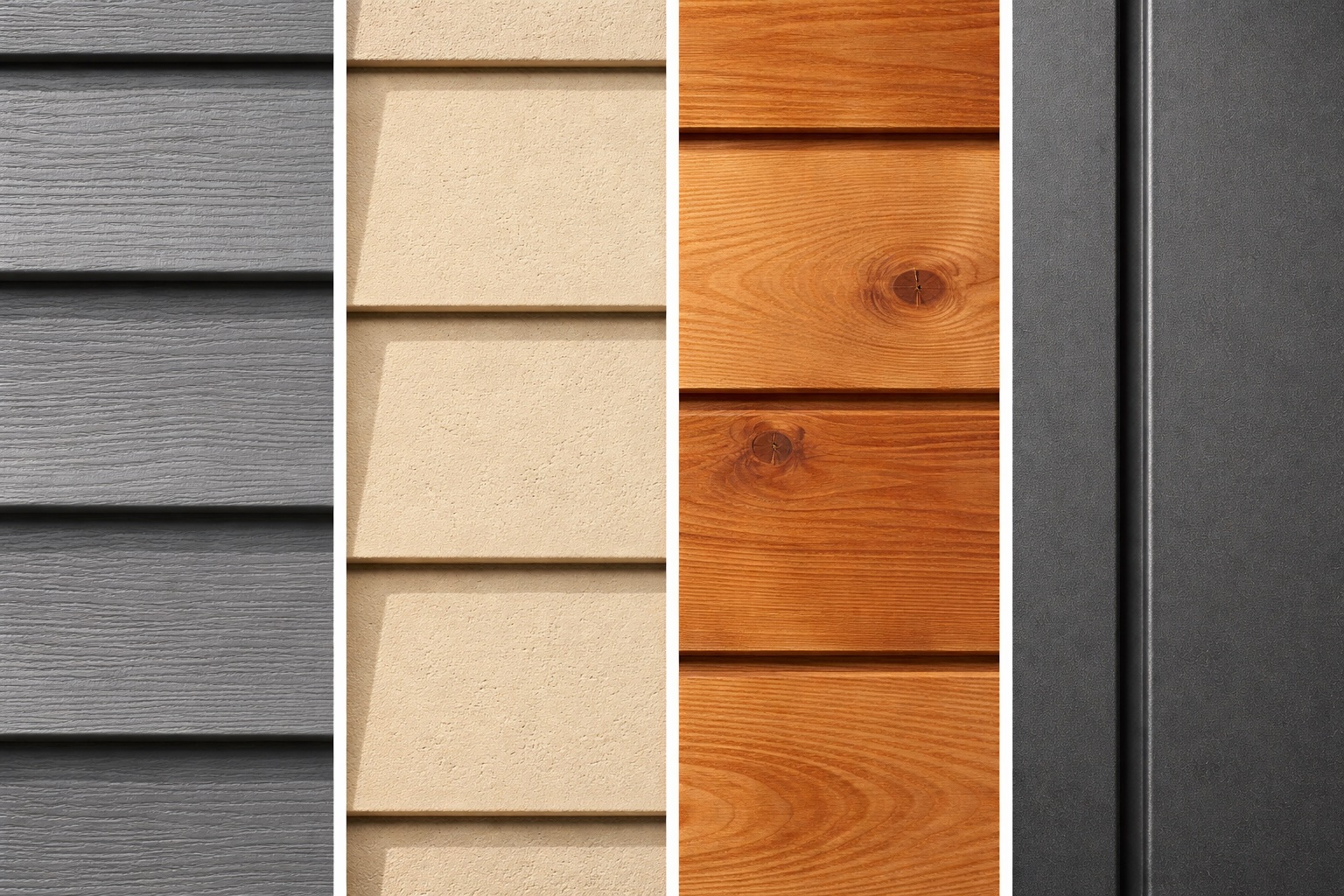
When planning your detached garage construction, siding selection represents one of the most visible design decisions. Your garage’s exterior must protect the structure from Colorado’s weather extremes while complementing your home’s architectural style. The right siding choice handles our intense UV radiation, hail impacts, temperature swings, and moisture challenges while maintaining appearance for decades.
Choosing garage siding during the construction planning phase affects both immediate project costs and long-term maintenance requirements. Understanding how different materials perform under Colorado conditions helps you make informed decisions.
Vinyl Siding: The Practical Choice
Vinyl dominates Colorado’s residential siding market for good reason. At $3-7 per square foot installed, it offers accessibility most budgets can accommodate. Modern vinyl resists fading, handles temperature extremes reasonably well, and requires little more than occasional washing.
That said, Colorado’s climate presents specific challenges. Extreme cold makes vinyl brittle, increasing crack risk from impacts. Hail poses real threats, potentially denting or puncturing panels, though heavier gauge options stand up better. The intense sun at altitude fades lower-quality vinyl within 5-10 years while premium products maintain color significantly longer.
Temperature swings create another consideration. Vinyl expands and contracts more than some alternatives, which means proper installation becomes critical. You’ll spot poor installation quickly when panels buckle during summer heat or pull apart in winter cold.
Quality varies dramatically. Budget options use thin material that dents easily and fades fast. Premium vinyl features thicker panels with better color stability and improved impact resistance. In Colorado’s demanding climate, that performance gap matters more than the cost difference.
The maintenance appeal remains strong. Vinyl won’t rot, doesn’t need painting, and resists insect damage. For detached garages where convenience matters, these characteristics prove valuable. The tradeoff shows when damage occurs since panels need replacement rather than repair, and matching older vinyl colors proves frustratingly difficult.
Fiber Cement: When Durability Matters Most
Fiber cement siding combines cement, sand, and cellulose fibers into durable panels that resist fire, insects, rot, and impact damage. You’ll pay $8-12 per square foot installed. That investment buys exceptional performance under Colorado weather.
The material shrugs off hail impacts that would damage vinyl. It doesn’t turn brittle when temperatures plummet, and maintains dimensional stability even as thermometers swing between seasons. Properly installed fiber cement delivers 30-50 years of reliable service, making the initial investment look smarter over time.
Painting represents the primary ongoing requirement. Whether factory-applied or field-painted, quality paint jobs last 10-15 years before needing attention. Repainting allows color changes if you later want to refresh your garage’s appearance.
Weight becomes a consideration with fiber cement. The material requires stronger installation and potentially affects structural planning. Professional installation matters more since improper techniques lead to cracking or premature failure. Moisture management also deserves attention. The material can absorb water if edges aren’t properly sealed, and Colorado’s freeze-thaw cycles will damage panels if moisture penetrates.
Wood Siding: Traditional Beauty at a Cost
Wood siding offers timeless beauty that certain architectural styles demand. Cedar, pine, and engineered wood products each present different characteristics, with prices ranging from $6-15 per square foot installed.
Cedar brings natural rot and insect resistance along with attractive grain patterns and rich color. The catch? Colorado’s UV intensity fades untreated cedar to gray within months. Maintaining natural color requires staining or sealing every 2-3 years. Our dry climate causes wood to shrink and crack more aggressively than in humid regions.
The maintenance reality with wood can’t be sugarcoated. Regular inspection, cleaning, and refinishing every few years protect your investment. Skip this care and wood deteriorates quickly, developing rot, insect damage, and structural problems.
That authentic wood appearance appeals strongly to homeowners matching historic home styles. However, consider whether you’re genuinely willing to invest the ongoing care that wood demands. For detached garages where convenience often takes priority, wood’s requirements may outweigh its beauty.
Metal Siding: Modern Lines, Minimal Fuss
Metal siding (primarily steel or aluminum) delivers durability wrapped in contemporary aesthetics. Expect to invest $7-12 per square foot installed depending on material, finish, and profile choices.
Steel handles impacts well, standing up to hail better than most alternatives. Factory finishes resist fading and typically carry 30-40 year warranties. The material won’t rot, burn, or support insect life. For Colorado’s challenging conditions, this durability profile makes considerable sense.
Like other materials, metal expands and contracts with temperature changes. Modern panel systems handle this movement effectively when installed properly, but installation errors create problems as panels buckle or fasteners loosen.
Denting represents metal’s primary vulnerability. While steel resists hail better than vinyl, severe impacts can leave visible dents. Aluminum dents more easily than steel, though it resists corrosion better in areas with consistent moisture exposure.
The aesthetic leans decidedly modern. Metal siding creates clean-lined appearances that suit contemporary garage designs beautifully. Traditional homes present challenges since metal’s industrial character doesn’t naturally complement historic building styles.
Engineered Wood: Splitting the Difference
Engineered wood products like LP SmartSide combine wood fibers with resins and protective treatments, replicating wood’s appearance while delivering improved performance. At $7-10 per square foot installed, engineered wood sits between vinyl and premium fiber cement price-wise.
The products resist moisture better than solid wood, maintain dimensional stability through temperature swings, and resist insect damage. Painting or staining remains necessary, but finishes last 10-15 years rather than every 2-3 years with solid wood. Over a garage’s lifetime, this dramatically reduces maintenance demands while preserving wood appearance.
Product warranties typically run 25-30 years with proper installation and maintenance. This positions engineered wood as a sweet spot for homeowners wanting wood’s appearance without intensive upkeep demands.
Making Siding Work With Your Home
Your garage siding should complement your home’s existing materials and colors. Perfect matches create the most cohesive appearance. Some homeowners prefer coordinating instead, using compatible colors or materials that harmonize without replicating.
Architectural style plays into these decisions. Traditional designs typically pair best with wood, fiber cement, or vinyl profiles that mimic classic lap siding. Contemporary homes work naturally with metal, smooth fiber cement panels, or modern vinyl profiles emphasizing clean lines.
Color selection carries both aesthetic and performance implications. Lighter colors reflect Colorado’s intense sun more effectively, potentially extending siding life while keeping garages cooler. Darker colors absorb more heat and may show fading more obviously, though modern paint technology has dramatically improved dark color durability.
Consider your garage’s placement and visibility. Prominently located garages facing streets warrant closer attention to matching your home. Rear-yard garages where visibility matters less allow more flexibility.
Installation Quality and Cost Considerations
Proper installation affects siding performance more than most homeowners realize. Colorado’s weather exposes installation deficiencies through warping, cracking, moisture penetration, and premature failure.
Experienced Denver-area garage builders understand regional requirements including proper moisture barriers, fastening for wind resistance, expansion gaps for temperature extremes, and flashing details that prevent water intrusion.
Initial siding costs tell only part of the financial story. Maintenance requirements, expected lifespan, and replacement timing all feed into long-term value. Low-maintenance materials like vinyl and metal cost more initially than wood but require minimal ongoing expense. Wood’s lower entry price gets eroded by regular maintenance over the years. Fiber cement and engineered wood offer moderate maintenance with good longevity.
Think about your ownership timeline. Planning to sell within 5-10 years? Lower-cost options might make sense. Longer ownership favors durable, low-maintenance materials that preserve value without demanding constant attention.
Frequently Asked Questions
What siding material works best for Colorado hail?
Fiber cement and steel siding resist hail impacts best. Thick-gauge vinyl performs adequately for moderate hail. Wood and thin vinyl prove most vulnerable. Consider impact-resistant options if your property experiences frequent severe weather.
How long does garage siding last in Colorado?
Vinyl typically lasts 20-30 years, fiber cement 30-50 years, quality metal 40-50 years, and wood 15-30 years depending on maintenance. Colorado’s UV intensity and weather extremes affect all materials.
Should garage siding match my house exactly?
Exact matching creates the most cohesive appearance but isn’t required. Coordinating colors with compatible materials works well too. Consider your garage’s visibility and your home’s architectural style when deciding.
Does siding choice affect insurance costs?
Fire-resistant materials like fiber cement and metal may qualify for insurance discounts, particularly in wildfire-prone areas. Check with your insurer about potential savings.
Can I mix siding materials on my garage?
Mixing materials works when done intentionally for architectural interest. Common approaches include stone or brick wainscoting with siding above, or accent panels in complementary materials.
What maintenance does garage siding need?
Vinyl requires only periodic cleaning. Fiber cement needs repainting every 10-15 years. Wood demands regular staining or painting every 2-3 years, plus inspection. Metal needs occasional cleaning and fastener inspection.
Planning Your Garage Siding Selection
Siding selection involves balancing initial budget against maintenance willingness, aesthetic goals, and performance requirements. Professional guidance helps navigate these factors while ensuring proper material specification and installation techniques.
Ready to select the right siding for your Colorado detached garage? Contact us today to discuss your project and receive expert recommendations for siding materials that perform well while complementing your home’s style.