
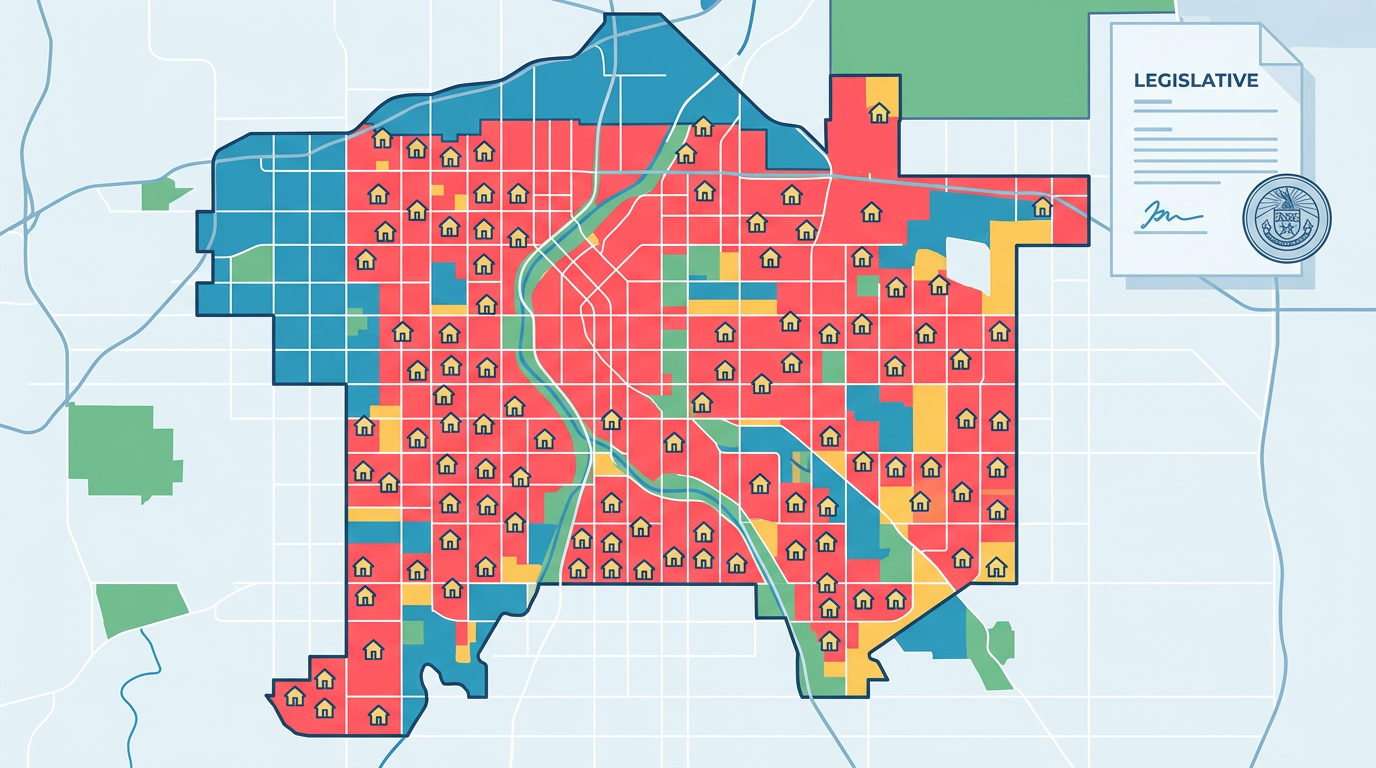
As of May 2026, every residential lot in Denver where a single-family home is permitted can now host an accessory dwelling unit , a shift that expanded ADU eligibility to roughly the majority of the city's land, up from most before the Citywide ADUs measure passed in November 2024. That zoning update, which took effect December 16, 2024, implements Colorado House Bill 24-1152 and overrides homeowner-association rules that previously blocked ADUs. For Denver and Lakewood property owners, the question is no longer "Am I allowed to build an ADU?" but "How do I get the permit, what will it cost, and who can build it?"
An authoritative reference worth reading alongside this guide is California Government Code §65852.2 – Accessory dwelling units.
This guide walks through the current Denver ADU permitting process step by step, explains realistic cost ranges based on project type, and identifies the key decision points that determine whether a backyard cottage, garage conversion, or basement suite makes financial and regulatory sense for your property.
What the 2024 Zoning Update Changed (and What It Didn’t)
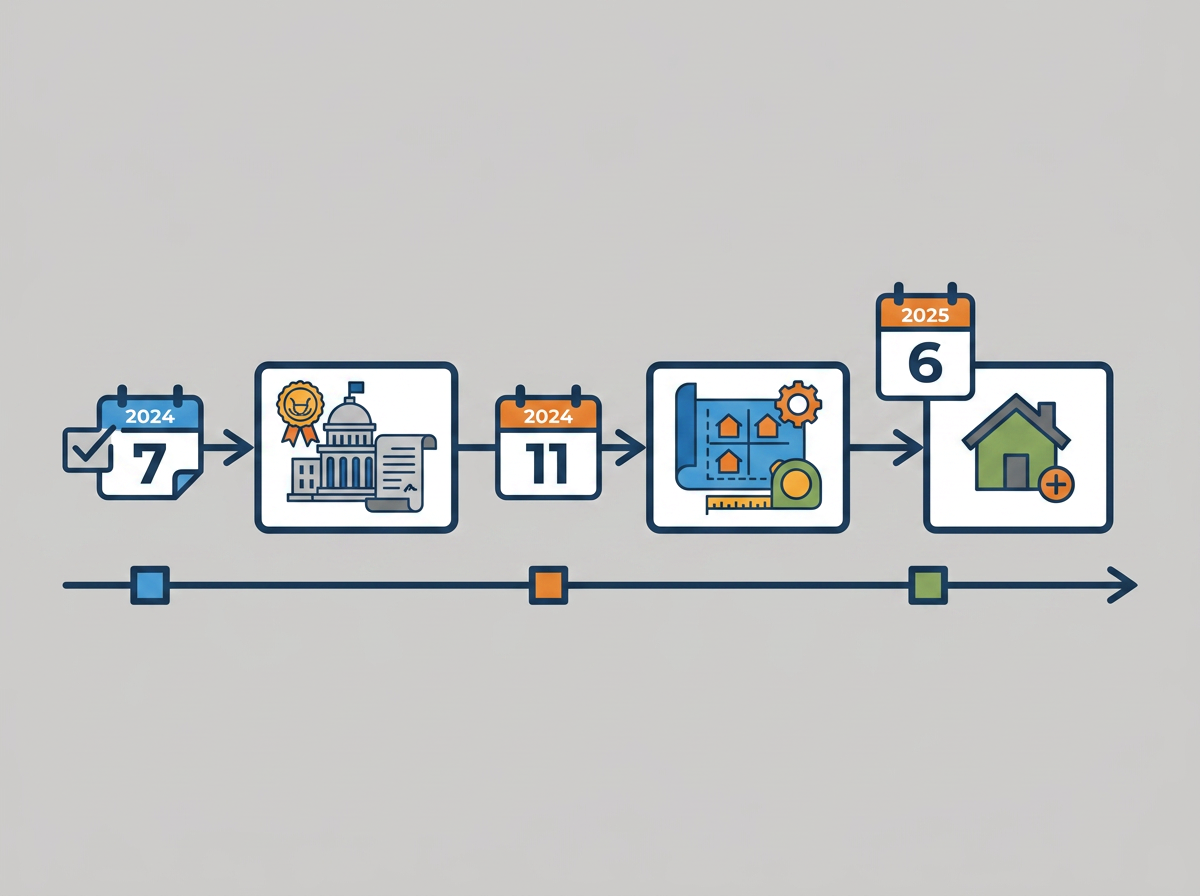
Denver City Council passed the Citywide Accessory Dwelling Units measure on November 18, 2024, updating the Denver Zoning Code, the city's official zoning map, and Former Chapter 59 zoning to allow ADUs in all residential areas. The measure went into effect on December 16, 2024, and brought Denver into compliance with Colorado House Bill 24-1152, which Governor Jared Polis signed in July 2024. That state legislation requires every subject jurisdiction in the Denver metro area to allow accessory dwelling units wherever single-family homes are permitted, with a compliance deadline of June 30, 2025.
Before the update, Denver's zoning rules required owner occupancy for single-unit zone districts with ADUs , if the owner moved off the property, the ADU could no longer be used. The new text amendment removes that restriction: an ADU can continue to be used even if the owner later moves off the property, opening the door for long-term rental income and multigenerational housing arrangements that survive ownership changes.
House Bill 24-1152 does not eliminate local building codes or permit requirements. Cities can no longer ban ADUs outright, but they retain authority over dimensional standards, setbacks, design review, and construction permits. In practice, that means every ADU in Denver , whether new construction, garage conversion, or basement remodel , still requires formal building permits and must undergo review by relevant city departments when plumbing, electrical, or structural changes are involved, according to the City and County of Denver's building permit requirements.
Is Your Property Eligible? Zoning Districts and Lot-Size Minimums
Not every Denver property is eligible for an ADU under the same rules. The Denver Zoning Code contains 28 different zone-district codes that allow ADUs, each specifying a minimum lot size and dimensional standards. Common residential districts such as U-SU-A1 and E-SU-D1 determine whether an ADU is permitted and what form it may take , detached cottage, attached addition, or above-garage unit. Homeowners can verify eligibility using the city's official Denver ADU Zoning Map and the full Denver Zoning Code text, both available online.
Your lot size and zoning code together determine the maximum ADU size you can build. Larger lots accommodate bigger ADUs; smaller lots may be excluded entirely if they fall below the district's minimum. The Denver zoning code , a 1,300-page document , outlines these thresholds in detail, but the city's regularly updated ADU Zoning Map simplifies the lookup: enter your address, and the map displays your zone district, minimum lot size, and allowable ADU square footage.
If a property is not currently zoned to allow an ADU, homeowners may pursue rezoning. This process involves a formal application, public notice requirements, planning board review, and Denver City Council approval. Rezoning timelines can extend several months and may involve neighborhood input. The Denver Community Planning and Development office outlines required steps and documentation for rezoning applications. Keep in mind that while neighborhood rezoning can streamline the process for multiple properties, it does not eliminate the need for construction permits on individual projects.
The Denver ADU Permit Process: Step by Step
Denver authorizes ADUs through its Community Planning and Development office and provides guidance on how to apply for a permit. The typical workflow includes five major phases:
Pre-Application Zoning Check Before investing in design work, confirm that your lot is zoned for an ADU and that your proposed unit size and setbacks comply with the district's dimensional standards. Contact Denver Community Planning and Development or use the online zoning map to verify eligibility. For detached one-story ADUs, current zoning rules include a minimum rear setback of approximately five feet from property lines; owners should confirm exact dimensional standards for their specific zone with the city.
Design and Engineering Documents Once zoning eligibility is confirmed, work with an architect or designer to prepare construction drawings that meet the International Residential Code (IRC) or International Building Code (IBC) as adopted by Denver. Plans must show floor layouts, elevations, structural framing, plumbing and electrical systems, and energy-code compliance (insulation R-values, window U-factors, and duct testing where required). The U.S. Department of Energy notes that detached ADUs are treated as separate residential buildings under the International Energy Conservation Code, triggering the same prescriptive and performance requirements as primary residences.
Permit Application Submission Submit your complete plan set to Denver Development Services along with the building permit application and applicable fees. Incomplete submissions are a common source of delay , the city emphasizes complete, code-compliant drawings to minimize resubmittals.
City Review Period Projects involving plumbing, electrical systems, or structural changes undergo multiple departmental reviews before approval. Review timelines vary depending on project complexity and current workload. Preliminary zoning and feasibility analysis typically takes several weeks, followed by design development and city review that may span multiple months. Published benchmarks indicate that the average plan review time for major residential projects in Denver has approached nearly 400 days in some periods, illustrating that permitting and review can be a major schedule driver for ADU projects.
Permit Approval and Construction Once the permit is issued, construction can begin. All work must be inspected at key milestones , foundation, framing, rough plumbing and electrical, insulation, and final. The contractor schedules inspections with the city, and each phase must pass before the next begins.
Attached vs. Detached ADUs: Permitting and Design Differences
An accessory dwelling unit is a secondary housing unit on a single-family residential lot. It can be attached to the primary dwelling , such as a basement apartment or second-story addition , or detached, like a backyard cottage or garage apartment. The permitting path and cost structure differ significantly between the two.
Attached ADUs (basement conversions, additions, or above-garage units built into the main house) share the primary dwelling's foundation, utilities, and often the same roof structure. Permitting typically involves interior remodeling permits, electrical and plumbing rough-in inspections, and egress/fire-safety review. Because these units tie into existing systems, they often cost less per square foot than ground-up construction, but they may trigger whole-house code upgrades (panel replacement, water-heater upsizing, or ventilation improvements) that add to the budget. Our interior remodeling service handles basement and addition conversions that meet Denver's residential building code.
Detached ADUs (backyard cottages, standalone studios, or carriage houses above a new garage) require their own foundation, utility laterals, and structural system. Permitting involves a full residential building permit similar to a new single-family home, including foundation inspections, framing and shear-wall review, and separate meter hookups for water, gas, and electric. Detached units offer privacy and separation but carry higher upfront costs. Many detached ADUs start as detached garage construction projects with living space above or alongside the garage bay, combining vehicle storage with rental or in-law suite use.
Under current Denver zoning, one-story detached ADUs require a minimum five-foot setback from rear property lines in most residential districts. Two-story units may face stricter setbacks and height limits depending on the zone. Confirm dimensional standards with the Denver Community Planning and Development office before finalizing your design.
ADU Cost Ranges: What to Budget in 2026
ADU construction costs in Denver vary widely based on project type, size, finish level, and site conditions. Research from other jurisdictions provides useful benchmarks: a study for AARP surveying 217 ADU owners in Portland, Oregon, found reported development costs ranging from just over $20,000 for very small conversions to more than $400,000 for high-end detached units, with a median reported cost of approximately $165,000. While Denver's labor and material markets differ, the range illustrates the spectrum from basic basement conversions to custom backyard cottages.
Basement Conversions (500-800 sq ft) Converting an existing basement into a code-compliant ADU typically costs less than new construction because the foundation, walls, and roof already exist. Budget drivers include egress windows, separate entrance, kitchen and bath rough-in, electrical panel upgrades, and insulation/moisture-barrier work. Expect costs in the range of $50,000 to $120,000 depending on finish level and whether structural modifications (new stairs, window wells, foundation waterproofing) are required.
Garage Conversions (300-600 sq ft) Transforming an existing detached garage into living space involves similar scope: insulation, drywall, HVAC, plumbing and electrical rough-in, and code-compliant egress. If the garage slab and framing are sound, conversion costs often fall between $60,000 and $100,000. If the structure needs significant foundation or framing repair, costs climb toward new-construction levels.
New Detached ADUs (600-1,200 sq ft) Ground-up backyard cottages or carriage houses carry the highest per-square-foot cost because every system is built from scratch. Foundation excavation, utility trenching, framing, roofing, siding, and finish work all add up. Typical budgets range from $150,000 to $300,000 for a turnkey detached ADU in the Denver market, with higher-end finishes, mountain-site challenges, or complex designs pushing costs above $350,000.
In our experience building ADUs across the Denver Metro area and Colorado mountains, the single largest cost variable after square footage is site access and utility routing. Properties with easy rear-yard access, shallow utility laterals, and stable soils come in at the lower end of the range; hillside lots, long utility runs, or rock excavation can add $20,000 to $50,000 to the base budget before framing even begins.
Specialized Construction: ICF ADUs in the Colorado Mountains
For property owners in the Colorado mountains or high-fire-risk zones, Insulated Concrete Form (ICF) construction offers a fireproof, energy-efficient alternative to conventional wood framing. ICF blocks , interlocking foam forms filled with reinforced concrete , create walls that are noncombustible, highly insulated, and structurally robust. Brand names include Nudura ICF, Fox Block ICF, Quad Lock ICF, and Super Form ICF.
Only a small percentage of contractors in the Denver Metro area specialize in ICF construction, but for mountain ADUs where insurance companies are dropping coverage on wood-frame homes, ICF can be the difference between insurable and uninsurable. We started a custom home in the mountains using ICF last year and have two more ADU projects scheduled for 2026 using the same system. The upfront material and labor cost for ICF runs roughly 10 to typically higher than wood framing, but the energy savings, fire rating, and insurance benefits often justify the premium in high-risk areas.
ICF ADUs still require the same Denver permitting workflow , zoning check, engineered plans, building permit, and inspections , but the structural and energy-code review focuses on concrete placement, rebar schedule, and foam-panel R-values rather than wood shear walls and insulation batts. If your ADU site is in a wildfire-interface zone or you want a structure that will outlast conventional framing, ICF is worth evaluating. Our includes ICF projects in the Denver Metro and mountain communities.
Common Pitfalls and How to Avoid Them
Underestimating Permit Timelines The Denver permitting process can be time-consuming. Plan for several weeks of preliminary zoning work and multiple months of city review before breaking ground. Submit complete, code-compliant drawings the first time to avoid resubmittal delays.
Skipping the Pre-Application Zoning Check Investing in architectural plans before confirming zoning eligibility is a costly mistake. Use the Denver ADU Zoning Map or consult with Denver Community Planning and Development to verify that your lot qualifies and that your proposed ADU size and setbacks comply with district rules.
Ignoring Utility Capacity Adding a full kitchen, bathroom, and laundry to your property may require water-meter upsizing, sewer-lateral upgrades, or electrical-panel replacement. Budget for these infrastructure improvements early , they are not optional and can add $10,000 to $25,000 to the project.
Choosing the Wrong Contractor ADU construction crosses multiple trades , foundation, framing, plumbing, electrical, HVAC, and finish carpentry. A general contractor with ADU experience coordinates the workflow, schedules city inspections, and ensures code compliance at every phase. In our years working across Denver and Lakewood, the most common mistake we see is homeowners hiring separate subcontractors without a general contractor to manage sequencing and permit sign-offs, which almost always leads to failed inspections and schedule overruns.
Why ADUs Make Sense in Denver’s Housing Market
Following recommendations from Blueprint Denver, the city's integrated land use and transportation plan, the Citywide ADUs measure was adopted as part of Denver's ongoing effort to expand housing availability and choice while helping drive down costs. The U.S. Department of Housing and Urban Development notes that ADUs can provide a relatively affordable type of housing in single-family neighborhoods and can help homeowners pay their mortgages, increase the housing stock, and provide flexible living arrangements for seniors and extended families.
For property owners, ADUs offer multiple financial and lifestyle benefits:
- Rental Income: Long-term tenants in a detached or basement ADU can offset mortgage payments or fund retirement.
- Multigenerational Housing: In-law suites and granny flats allow aging parents or adult children to live independently on the same property.
- Property Value: A permitted, code-compliant ADU adds functional square footage and income potential, increasing resale value.
- Flexible Use: ADUs can serve as home offices, guest suites, or short-term rentals (subject to Denver's short-term rental regulations).
Research published in peer-reviewed housing journals shows that ADUs in Portland tend to be smaller than typical single-family homes (median around 600 to 800 square feet) and are frequently used as long-term rental housing, providing a nontrivial share of new rental supply in single-family zones. Denver's updated zoning rules position the city to see similar growth in ADU production over the next few years.
Next Steps: Getting Your ADU Project Started
To build an ADU in Denver, follow these four main steps:
- Determine Zoning Eligibility , Use the Denver ADU Zoning Map or contact Denver Community Planning and Development to confirm your lot qualifies and understand dimensional limits.
- Obtain Architectural Designs , Work with an architect or designer to prepare code-compliant construction drawings that meet IRC/IBC and Denver's residential building code.
- Secure Building Permits , Submit your plan set to Denver Development Services and navigate the city review process.
- Construct the ADU , Hire a licensed general contractor to build the unit, coordinate inspections, and deliver a code-compliant, move-in-ready space.
If you are exploring an ADU project in Denver, Lakewood, or the Colorado mountains, Vrcgarages research brings specialized experience in detached garage builds, custom home construction, and ADU development. We built our first ADU last year and have two more scheduled for 2026, and our ICF construction expertise makes us one of the few contractors in the region offering fireproof, energy-efficient ADU options for mountain properties.
Request a quote to discuss your site, review zoning feasibility, and get a detailed cost estimate for your ADU project. We will walk you through the permitting workflow, help you choose between attached and detached options, and deliver a code-compliant unit that meets Denver's residential building standards and your family's long-term needs.
Further reading: Accessory Dwelling Units in Portland, Oregon: Evaluation and Interpretation of a Survey of ADU Owners; Engrossed Second Substitute House Bill 1337 – 68th Legislature, 2023 Regular Session.
Further reading: Accessory Dwelling Units in Portland, Oregon: Evaluation and Interpretation of a Survey of ADU Owners; Engrossed Second Substitute House Bill 1337 – 68th Legislature, 2023 Regular Session.