
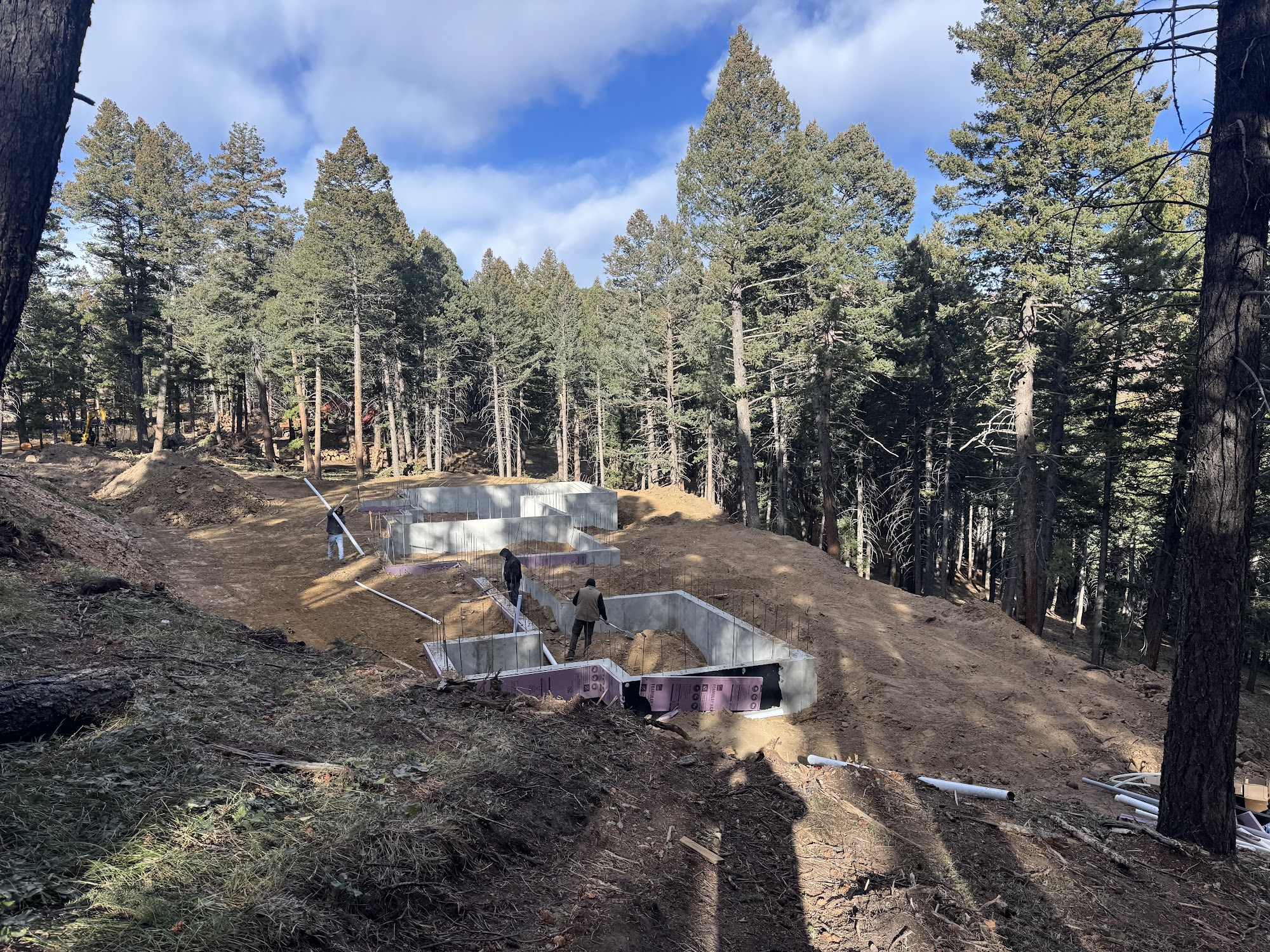
TL;DR: Nudura, Fox Block, and Quad Lock are three of Colorado’s most-used ICF systems, and each has different block geometry, tie spacing, and shipping logistics that matter for your specific build.
Nudura, Fox Block, and Quad Lock are the three insulated concrete form systems Colorado homeowners encounter most often when specifying an ICF build. All three are code-recognized residential and commercial wall systems with current ICC Evaluation Service Reports. Notably, that means third-party validation of structural and energy performance. Colorado building departments accept the systems without special review. The differences between them are not about whether the wall will work; all three produce structurally sound, energy-efficient, fire-resistant walls.
The differences come down to block geometry, tie design, available wall thicknesses, supply chain into Denver and the mountain corridors, and how each system handles project-specific details. The right brand for your build depends on three factors: design geometry, wall-section scope, and the availability of trained installers in your area.
What the Three Systems Have in Common
All three are EPS (expanded polystyrene) foam blocks with internal plastic webs that hold the two foam faces apart and create channels for horizontal and vertical rebar. Each system accepts code-standard ready-mix concrete poured in lifts. Every brand also carries a current ICC Evaluation Service Report, a third-party engineering review showing the system meets the International Residential Code and International Building Code. Colorado building departments accept the reports without special structural review, and homeowners can pull any system’s current report from the searchable ICC-ES reports directory when verifying a specific brand and product line.
Each system produces a wall assembly with effective R-values well above the foam alone, thanks to the thermal mass of the concrete core. All three also accept conventional interior and exterior finishes, including drywall, stucco, fiber cement, stone veneer, and brick.
From a structural engineer’s perspective, all three behave essentially identically. The concrete core does the structural work, the foam acts as the form, and the plastic webs hold the rebar in place. What does vary is convenience and detail handling around openings, corners, mid-wall transitions, and specialty geometry. Those add up on a complicated custom home and matter less on a simple rectangular building.
Nudura: The Most Common Denver-Metro System
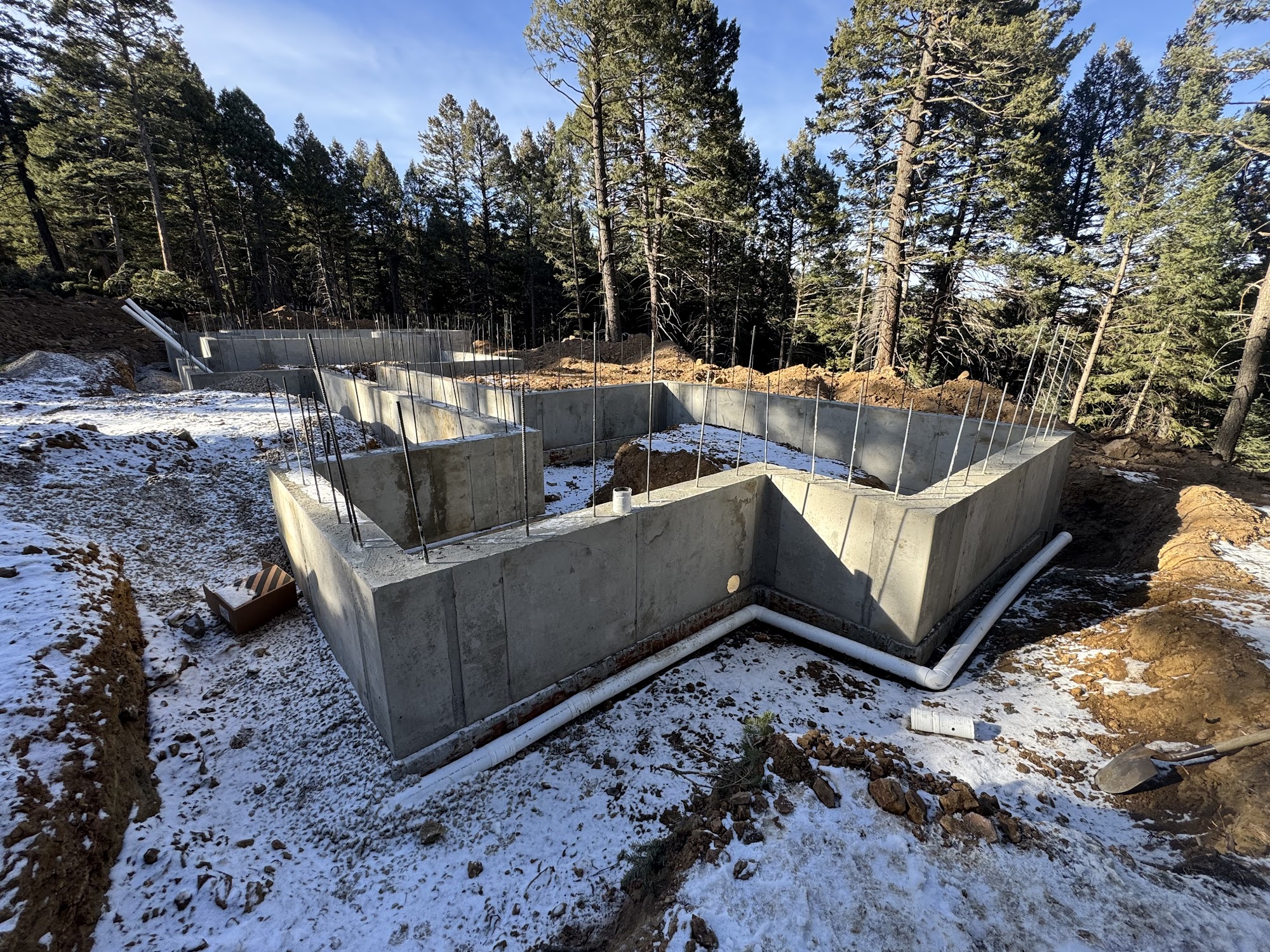
Nudura’s stock-trade block is 8 feet by 1 foot 4 inches, the largest block face among the three. The bigger block speeds up wall stacking and cuts down the number of horizontal joints, which is appealing on big custom home walls. The webs hold up well enough that the system handles tall walls and complex pours without flexing. Nudura also has a deep network of trained installers in the Denver metro, since it entered the Colorado market early.
The trade-off shows up in shipping and storage. Big blocks mean more material per pallet to handle on site. For a small project like a detached garage or a single ADU, the shipping logistics can run slightly less efficient than smaller-block systems.
Nudura also has more wall-thickness options (4-inch, 6-inch, 8-inch, 10-inch, and 12-inch concrete cores) than some competitors, which gives the structural engineer flexibility but adds a specification step at the design stage. Our Denver ICF crew has built Nudura walls across Denver, Lakewood, Arvada, and the foothills, and we keep Nudura on the bid list for most custom home and large garage projects because the supplier relationship and installer experience reduce schedule risk.
Fox Block: Strong on Detail Handling
Fox Block’s standard block is 4 feet by 1 foot 4 inches, half the face area of Nudura’s standard block but easier to handle on irregular wall sections. The reversible end-block geometry helps on outside corners and around openings, which is why the system has built a reputation for detail handling on architecturally complex builds. Available wall thicknesses include 4-inch, 6-inch, and 8-inch concrete cores, which covers most residential needs without overcomplicating the spec.
Tie spacing on Fox Block is tight enough to handle very high pours without bowing, and the foam density runs on the higher end of the residential ICF spectrum. That density helps the wall hold fasteners for drywall hangers and exterior cladding clips without specialty anchors.
For mountain custom homes with complex geometry, dramatic window placements, or non-rectangular floor plans, Fox Block often wins on installer time because the smaller block fits around tricky details faster. The supply chain into Denver is established but slightly less deep than Nudura’s, so lead time for larger orders is worth confirming early in the project.
Quad Lock: Modular Flexibility
Quad Lock takes a different approach. Instead of a unitized block, the system uses separate foam panels (4 feet by 1 foot in standard form) that plastic ties connect on site. That setup gives Quad Lock the most flexibility on wall thickness, because the same panels can produce a wide range of cavity sizes by changing the tie length. It also makes Quad Lock the easiest of the three to ship efficiently, since the panels stack flat rather than as preformed blocks.
The tradeoff is on-site assembly. Quad Lock requires the installer to put each block together from panels and ties before stacking, which adds labor time to the wall stage. On a small project or with a builder new to ICF, that extra step can stretch the schedule meaningfully.
For an experienced ICF crew, the panel approach lets them tune the wall to the project rather than to a manufacturer’s standard sizes. In practice, Quad Lock shows up most on Colorado projects where wall thickness flexibility matters, such as split-level mountain homes with varying load paths. It also wins where shipping efficiency to a remote mountain site is a significant cost factor.
How to Choose Between Them on a Specific Project
For most custom home or detached garage projects in the Denver metro, all three systems produce a comparable final wall. The decision then comes down to installer availability, supplier lead time, and bid pricing on the specific build. The differences become meaningful in three specific situations.
Complex geometry is one. Curved walls, unusual angles, complicated openings, and tall walls (over 10 feet without a horizontal break) reward systems with smaller blocks or more flexible panel assemblies, which is where Fox Block and Quad Lock both perform well.
Mountain logistics is the next factor. Remote build sites with single-track access, weight restrictions, or limited staging area benefit from systems that ship efficiently and assemble on demand. Quad Lock and Fox Block, with its smaller blocks, both move better than full-block Nudura pallets in tight site conditions.
Winter scheduling rounds out the list. Cold-weather pours require accelerated concrete and good thermal blanketing to cure properly, and the ICF system choice affects how easily blankets wrap over the wall and how reliably the foam holds the pour at low temperatures. Every brand tolerates winter pours, but installer experience with the specific system in cold conditions matters more than the brand label itself. Our Denver custom home team works year-round on Colorado projects, selecting the ICF system based on design fit, supply chain reality, and the pour-window conditions.
What About Super Form and BuildBlock?
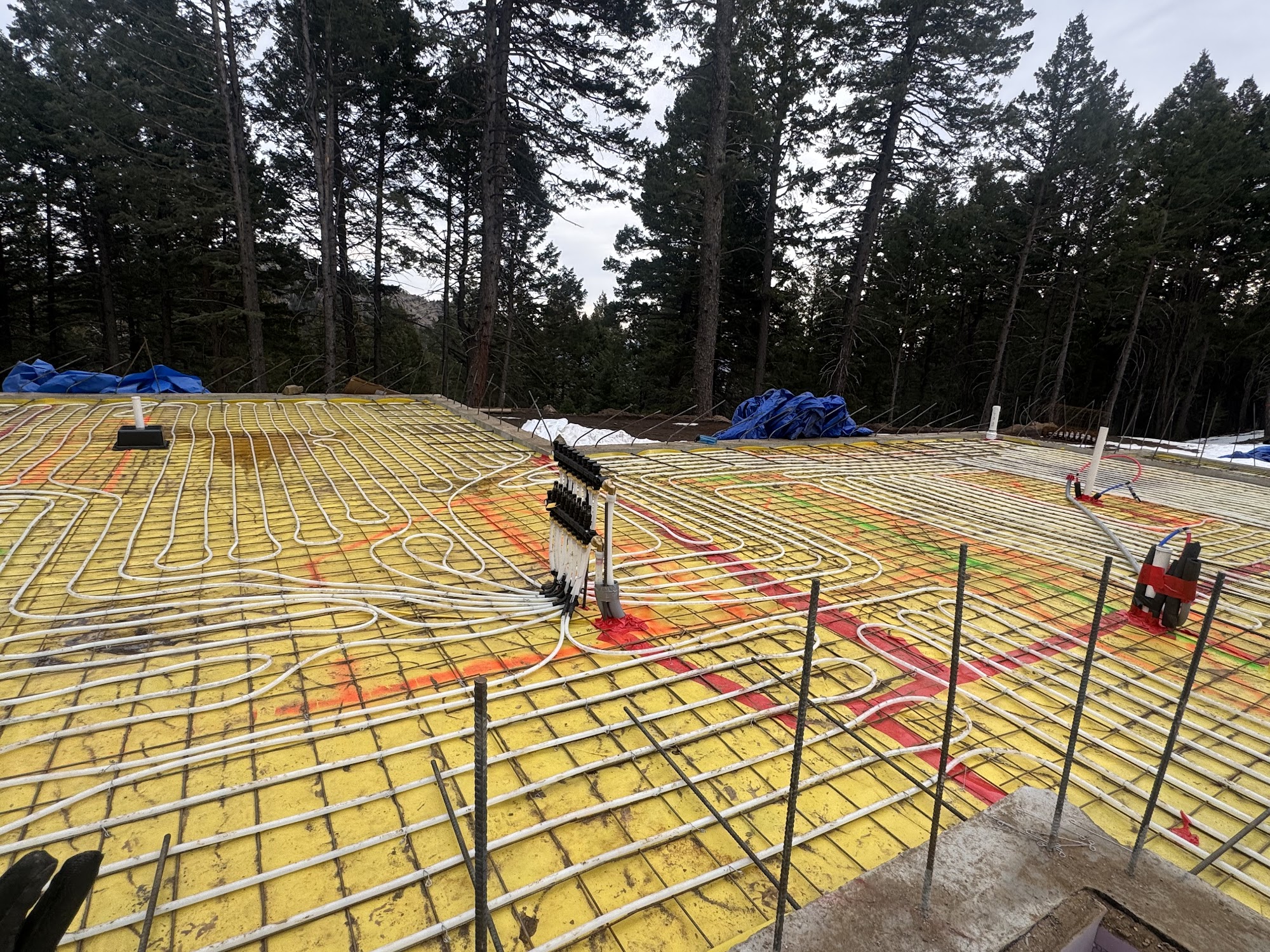
Super Form and BuildBlock are also code-compliant ICF systems used in Colorado, particularly on commercial and multi-family projects. Their geometry and tie design resemble the three systems above closely enough that the same decision framework applies: complex geometry favors smaller blocks, remote sites favor efficient shipping, and everything else comes down to the installer. For a residential custom home or ADU project, the choice typically comes down to Nudura, Fox Block, or Quad Lock based on the considerations above. When Super Form or BuildBlock has a clear advantage on a specific project, we’ll raise it at the bid stage.
The Honest Recommendation Framework
If you’re early in a Colorado mountain custom home or ADU project and want a default starting point, Nudura is the safest bet. It’s the most-installed system in the Denver metro and produces the best supply chain certainty. If the design has complex geometry or unusual window placements, Fox Block’s smaller block and corner handling will save installer time.
If the site is in a remote mountain location with shipping or staging constraints, Quad Lock’s flat-pack panels and on-site assembly often produce the best total project cost. Beyond those defaults, settle the system choice with the structural engineer and the ICF installer together at design-development, not at framing, when switching systems gets expensive.
To talk through which ICF system fits your specific design, site, and schedule, schedule a free consultation and we’ll walk you through how each brand performs against your project requirements.
Frequently Asked Questions
Are all major ICF brands code-approved in Colorado?
Yes. Nudura, Fox Block, Quad Lock, Super Form, and BuildBlock all hold current ICC Evaluation Service Reports under the International Residential Code and International Building Code. Colorado building departments accept those reports as third-party verification of structural and energy performance, with no additional special review required for the wall system.
Is one ICF brand significantly cheaper than the others?
Material pricing among the major brands sits within roughly 5 to 10 percent of each other on most residential projects in the Denver metro. The bigger cost drivers are installer experience with the chosen system, supply chain lead time at the moment of order, and the geometry of the specific design. Bid pricing should always be done on the actual project, not on system-level price lists.
Which ICF brand is best for a detached garage or ADU?
For a straightforward rectangular detached garage or ADU in the Denver metro, all three primary systems (Nudura, Fox Block, Quad Lock) perform comparably, and the choice usually comes down to installer availability and bid pricing. On a mountain project with logistics complications, Quad Lock’s flat-pack panels often win on total cost.
Do different ICF brands produce different R-values?
The label R-value of the foam alone varies slightly among brands, typically R-22 to R-25 for standard residential blocks. The effective whole-wall R-value, which accounts for thermal mass and continuous insulation, runs essentially identical across the major brands at the same concrete core thickness. Brand choice doesn’t meaningfully affect long-term energy performance.
Can I mix ICF brands on the same project?
It’s possible but not recommended. The block geometry, tie spacing, and reinforcing patterns differ enough that mixing brands creates assembly headaches and adds structural engineering work. Most Colorado ICF builds commit to one system across the entire wall scope.
How important is installer experience with the specific brand?
Very important. ICF rewards installer experience more than conventional framing does, and the learning curve on a specific brand matters on every project. A crew that has installed Nudura on 50 projects will produce a better wall faster than the same crew on its second Fox Block job. Verifying the installer’s experience with the specific system should be part of any bid review.