
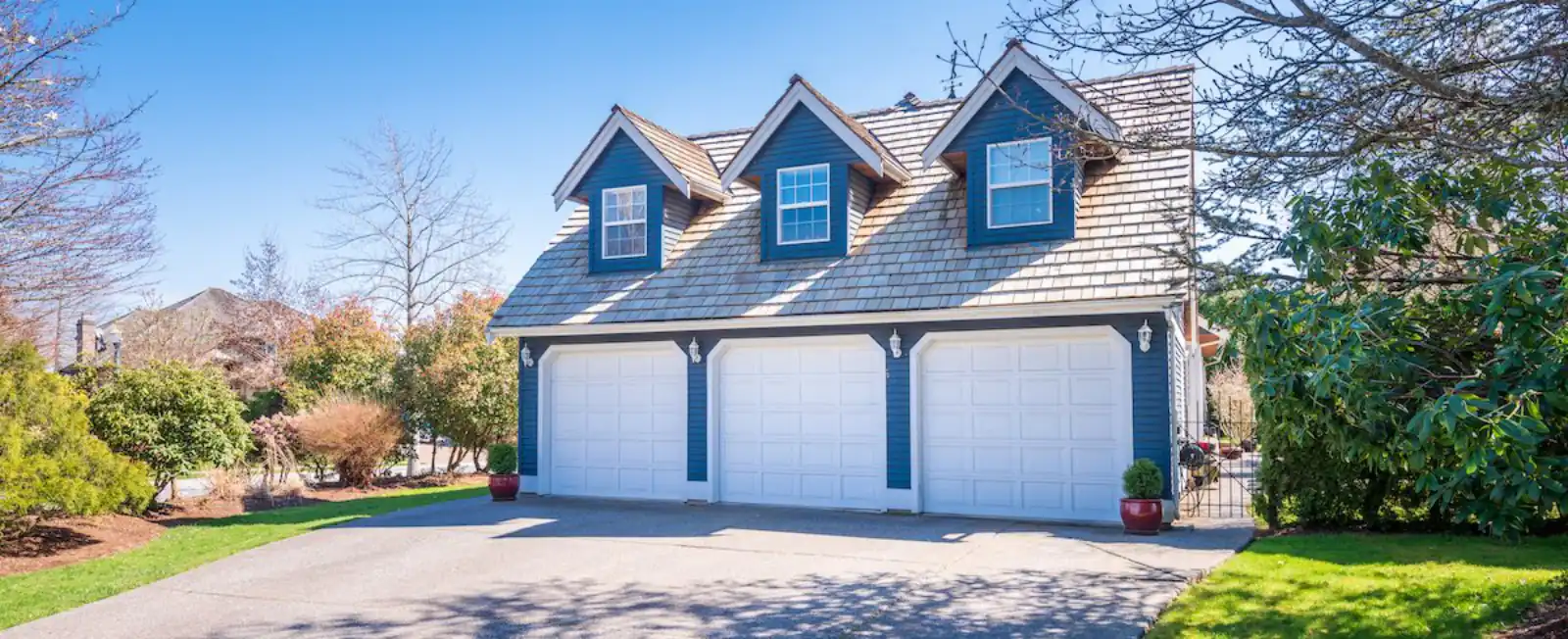
TL;DR: A new detached ADU usually adds more long-term value than a garage conversion in the Denver metro, but a clean garage conversion can win on speed, cost, and immediate rental income.
Denver-metro homeowners often weigh ADUs against detached garage conversions once they realize their lot has room for a rental, an in-law space, or a home office. The two options sit at opposite ends of a tradeoff. A purpose-built detached ADU is the most flexible and most valuable path, but it is also the most expensive. A garage conversion is faster, cheaper, and easier to permit, though it produces a smaller, less independent space.
The right answer depends on lot dimensions, zoning, the garage condition, the intended use, and the homeowner’s budget and patience. The walkthrough below lays out the real tradeoffs as they show up in Denver, Lakewood, and the surrounding metro municipalities.
What Counts as Each Option
An accessory dwelling unit is a fully independent dwelling on a single-family residential lot. It comes with its own kitchen, bathroom, living area, sleeping area, and exterior entrance. Depending on the jurisdiction, it may also carry its own address, mailbox, and utility meters.
A detached ADU is a new ground-up structure, typically a one-story or one-and-a-half-story building with a footprint of 400 to 1,200 square feet depending on local code.
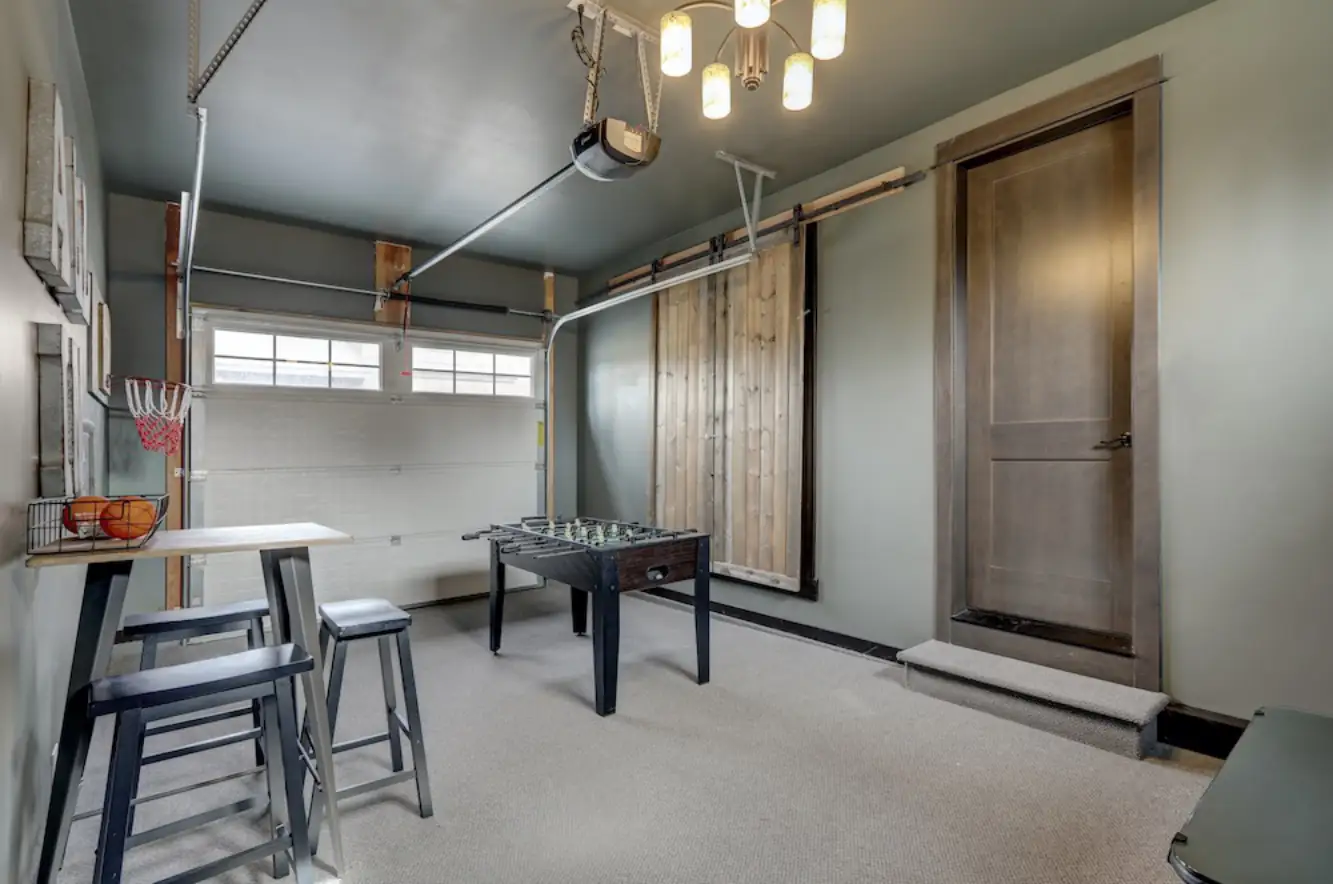
A garage conversion is the same end product, only built inside an existing detached garage shell. The crew removes the garage door and replaces it with a wall and window. Next, our Denver ADU and conversion crew adds insulation and finished surfaces to bring the shell up to habitable standards. Plumbing then runs in for the kitchen and bathroom. If necessary, the electrical service gets an upgrade. The shell, footprint, and roof structure of the original garage are preserved. Some conversions add a small addition (a bathroom bump-out, for example), but most are confined to the existing footprint.
The Cost Math, Honestly
New detached garages that include living quarters above (sometimes called carriage houses or two-story ADU-over-garage builds) typically run from $250,000 to $450,000 in the Denver metro depending on size, finish level, and lot conditions. Pure detached ADUs at ground level usually run $200,000 to $400,000. The cost driver is not the ADU itself. Instead, it is the new foundation, the new utility runs, and the requirement to meet residential building code. That covers everything from egress windows to insulation to fire separation.
A garage conversion in the same market usually runs $80,000 to $180,000. The shell and foundation are already in place, so the project is essentially a remodel rather than a new build. The cost driver in conversions is whether the existing structure already meets code.
Older detached garages often have shallow foundations that fall short of current frost-depth code. Many also have framing that fails energy code, or electrical service that needs replacing. When the existing garage is in solid shape, the conversion math works beautifully. When the garage is in marginal condition, the conversion can end up costing nearly as much as a new build with worse end results.
Permitting Realities in Denver, Lakewood, and Surrounding Municipalities
Denver, Lakewood, Arvada, Westminster, Aurora, and Littleton all permit ADUs under their current zoning codes, but the rules vary enough that the same project can sail through one city and stall in the next. Denver allows detached ADUs in most single-family zones, subject to specific setback, height, and size limits.
Denver Community Planning and Development handles ADU permits through the same residential workflow as additions and remodels, plus a zoning verification that confirms the lot meets current ADU rules. Lakewood opened up ADUs across a broader portion of its single-family zoning in its 2024 updates, with similar but not identical rules. Foothills counties such as Jefferson, Boulder, and Clear Creek regulate ADUs differently from incorporated cities, often requiring septic system review and well-water capacity confirmation that metro builds skip.
Garage conversions are typically easier to permit because they do not add new building footprint or structure to the lot. They still have to meet residential code, which is where some older garages stumble. The most common issues fall into four categories. Ceiling height is the most frequent problem, since the seven-foot minimum for habitable space sometimes falls short in older garages. Egress windows are the next snag,, the bedroom area may lack a window large enough to meet code. Fire separation comes up whenever the garage shares a wall with an attached structure. The fourth common issue is frost-depth foundation: many older garage slabs were never built for habitable use. Each of these is fixable, but each adds cost and time that homeowners do not always anticipate.
Value Comparison: Resale, Rental, and Multi-Generational
On resale value, a new detached ADU typically returns 60 to 80 percent of its construction cost to home value at sale in current Denver-metro pricing, and that percentage keeps trending upward as buyer demand grows for multi-generational and rental-ready properties. A garage conversion returns less in absolute dollars because the project costs less, but a higher percentage of cost to value because the underlying shell already carried value as a garage. The net dollar gain in home value often lands roughly comparable between the two paths, though the new ADU produces more liveable square footage and higher appraisal numbers.
On rental income, the unit’s size and features matter more than whether it is new or converted. A 750-square-foot one-bedroom detached ADU in Denver currently rents in the $1,800 to $2,300 monthly range. A 450-square-foot studio garage conversion rents in the $1,300 to $1,700 range. The conversion needs less capital to produce and breaks even faster on monthly cash flow, but its lifetime income is lower.
For multi-generational use, whether that means aging parents, adult children, or in-home caregivers, the conversion has a real disadvantage. Most garage shells are too small to comfortably house two adults for an extended stay. A new detached ADU can be sized for the intended use, with accessibility features built in from the start. When the long-term plan is multi-generational, the size and design flexibility of a new build usually wins.
Speed: When Time Matters More Than Optimization
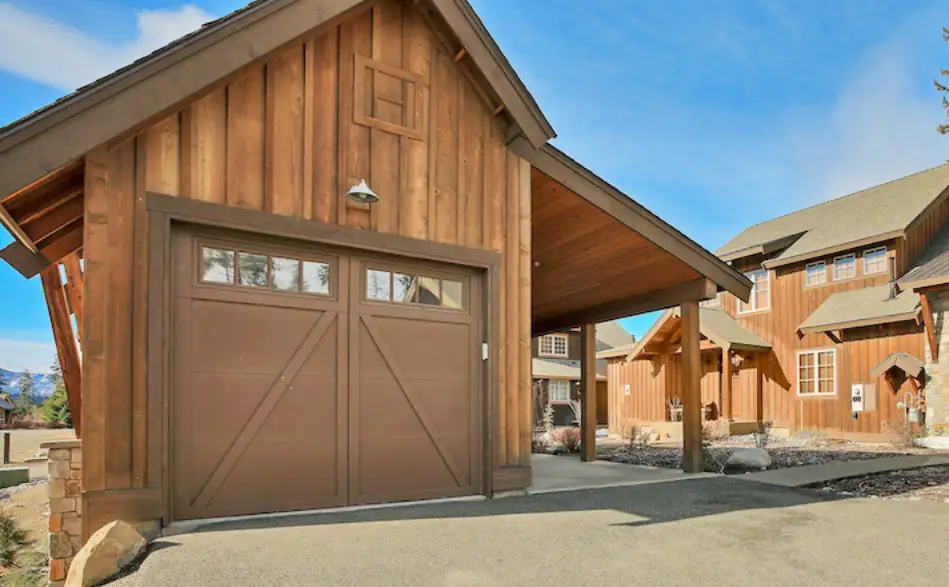
Garage conversions usually wrap in three to six months from permit issuance. New detached ADU builds typically run nine to fourteen months from permit issuance, with longer schedules in foothills counties or on any project that triggers a special review. When the homeowner has a timing constraint, the conversion’s speed advantage can outweigh the new build’s value advantage. Common timing triggers include a parent arriving, a rental income need, a kid returning from college, or a divorce situation.
How to Decide: A Practical Framework
First, walk the existing garage with a builder who has done both new ADUs and conversions. Confirm three things: the foundation meets frost depth, the ceiling height supports habitable use, and the electrical service can be upgraded without major rerouting. If all three are clean, the conversion is a strong candidate. If any of the three is marginal, run the math on a new build and compare honestly.
From there, consider the use case. For income-only short or medium-term rental, the conversion math often wins on cash-on-cash return. For long-term multi-generational use, high-quality home office space, or the maximum resale-value play, the new detached ADU usually wins. Some builders will stage a garage conversion as Phase 1 with a future detached ADU as Phase 2 for homeowners who want both, but the two-project total cost ends up higher than committing to one path from the start.
Either way, this is a decision worth taking seriously. Both options shape the property’s resale value, the homeowner’s daily life, and the eventual estate planning picture. To talk through your specific lot and goals, request a quote and we’ll walk you through what’s feasible on your property and what each path would cost.
Frequently Asked Questions
Can I convert any detached garage into an ADU in Denver?
No. The garage has to meet Denver’s ADU requirements: minimum ceiling height, adequate egress, sufficient electrical service, and a foundation built for habitable use. Older garages on shallow foundations are often non-starters. A pre-conversion inspection is the best way to know whether the structure is workable before any budget commits.
How long does ADU permitting take in the Denver metro?
Denver currently runs roughly 8 to 16 weeks from complete submittal to permit issuance for a straightforward detached ADU. Garage conversions move faster, often 4 to 8 weeks because there is less plan review. Foothills counties run longer (12 to 24 weeks) because of additional site-specific reviews.
Do ADUs and garage conversions require separate utility meters?
Denver doesn’t require separate meters but allows them. Many homeowners install electrical sub-metering to track rental tenant usage even when the main meter stays consolidated. Water and gas typically stay on the main service for residential ADU use.
What is the rental income difference between a new ADU and a garage conversion?
At current Denver rates, a new 750-square-foot one-bedroom detached ADU rents for $1,800 to $2,300 a month, while a 450-square-foot studio garage conversion rents for $1,300 to $1,700. The conversion breaks even faster on cash-on-cash, but the new ADU produces higher lifetime income.
Is short-term rental allowed in Denver ADUs?
Denver requires the host to occupy the primary residence on the same lot in order to qualify for short-term rental licensing. Under that owner-occupancy condition, ADUs and garage conversions can host short-term rentals. The rules change annually, so anyone counting on STR income should verify the current policy before designing around it.
Will an ADU or garage conversion increase my property taxes?
Yes. Both add assessed value to the property. The increase usually scales with project cost rather than the full new market value. A $200,000 garage conversion typically raises Denver County property taxes by a few hundred dollars a year, and a $400,000 new ADU raises them more or less proportionally.