
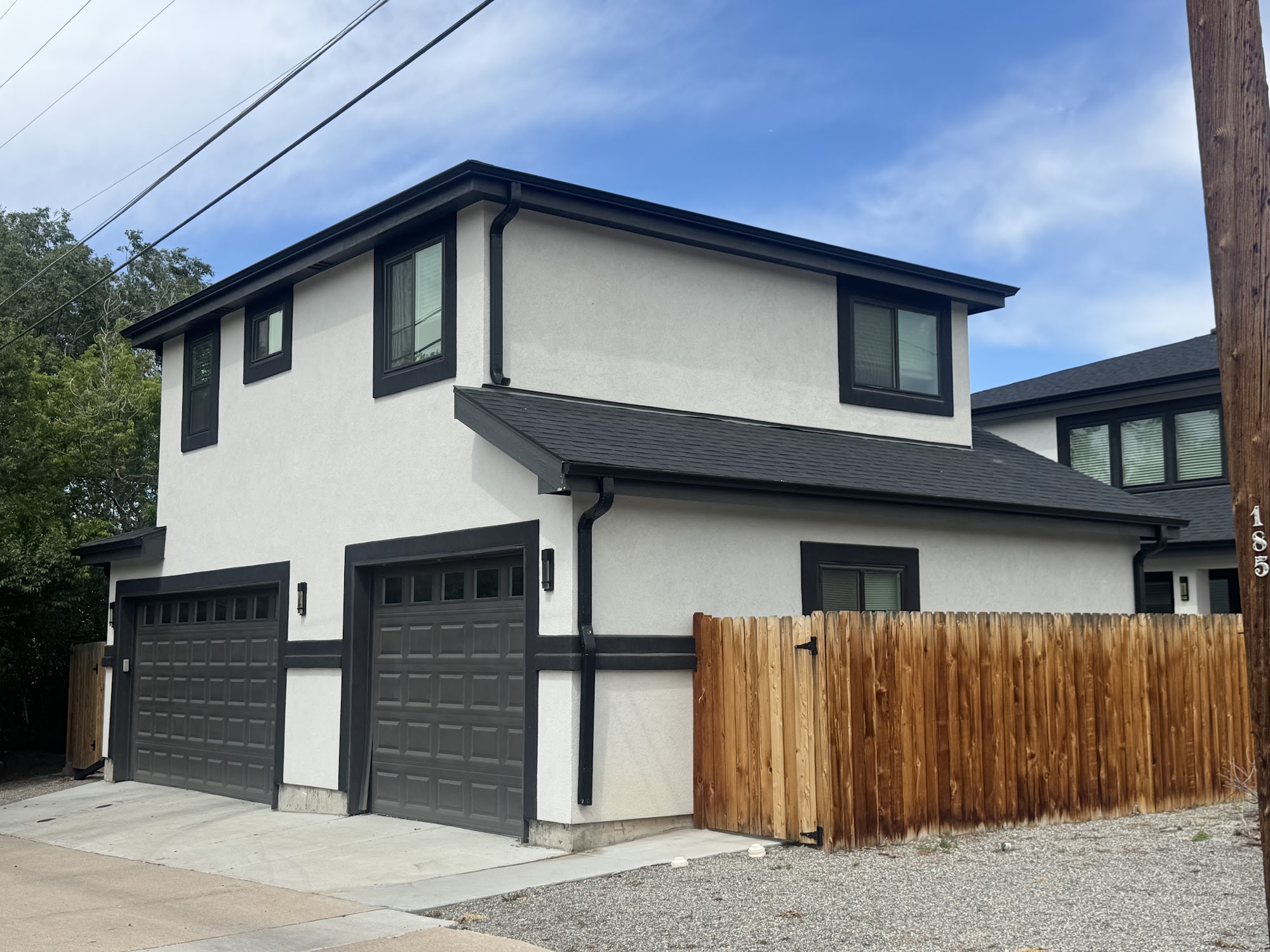
TL;DR: ADU permitting in Denver and Lakewood is approval-friendly under current zoning, but lot size, setbacks, and design review each have specific traps that determine how fast the project moves.
For most Denver-metro homeowners, ADU permitting comes down to which municipality holds the lot and how well the project fits that city’s zoning rules. Denver, Lakewood, Arvada, Westminster, Aurora, and Littleton all allow detached ADUs in most single-family zones under current code. The rules on lot size, height, setbacks, parking, and design review vary enough that the same project can sail through in one city and stall in the next.
The foothills counties (Jefferson, Boulder, Clear Creek, Gilpin) add another wrinkle. Most lots there run on septic systems and private wells, so every ADU project layers environmental and capacity reviews on top of the zoning approval. The walkthrough below lays out what to expect at each stage in 2026. With that in hand, you can shape timing, budget, and design choices around the actual permitting reality. If you’re brand new to ADU planning, AARP’s ADU guidance covers the national policy landscape and the multi-generational use cases in clearer language than most municipal documents.
Where Detached ADUs Are Currently Allowed
Lakewood moved first in 2024, expanding ADU allowances across most of its single-family residential zoning and opening up neighborhoods that had previously been off-limits. Denver followed later in 2024 with citywide amendments that permit detached ADUs in most single-family residential zone districts. Arvada, Westminster, and Aurora all permit detached ADUs in most single-family zones under their current codes, with each city’s zone schedule spelling out exactly what’s allowed where. Littleton sits in the same camp, allowing detached ADUs in specific zones under size and setback rules that usually work out cleanly for standard Littleton lot dimensions.
Foothills counties take a much more parcel-by-parcel approach. Jefferson, Boulder, and Clear Creek allow ADUs in many residential zones. Each layers on extra review around lot size, septic capacity, water availability, and access road requirements. The opening move in foothills permitting is always a parcel-specific zoning check rather than a general rule lookup. The same county can hold parcels where ADUs are routine alongside parcels where they’re prohibited based on lot conditions alone. Our team walks homeowners through that parcel check before any design work begins on a foothills project. That way the budget doesn’t get spent on plans that will never permit.
The Setback, Size, and Height Limits That Matter Most
Across the Denver metro, three constraints shape every detached ADU design: setbacks from property lines, maximum building height, and maximum building footprint. Denver’s current rules generally allow a detached ADU up to 1,000 square feet of finished floor area. Recent ADU expansion has lifted some allowances above that baseline. Height limits land in the 20-to-24-foot range depending on roof type and zone district, and rear-yard setbacks run 5 to 10 feet from the property line.
Lakewood ties detached ADU size to a percentage of the primary residence’s floor area or a fixed maximum, depending on the zone. Height limits run in similar ranges to Denver’s. Arvada, Westminster, Aurora, and Littleton each run their own setback and height schedules. Foothills counties land at the opposite end of the spectrum. They typically allow larger ADUs by floor area but impose stricter setback requirements from property lines, wildfire buffer zones, and steep slopes.
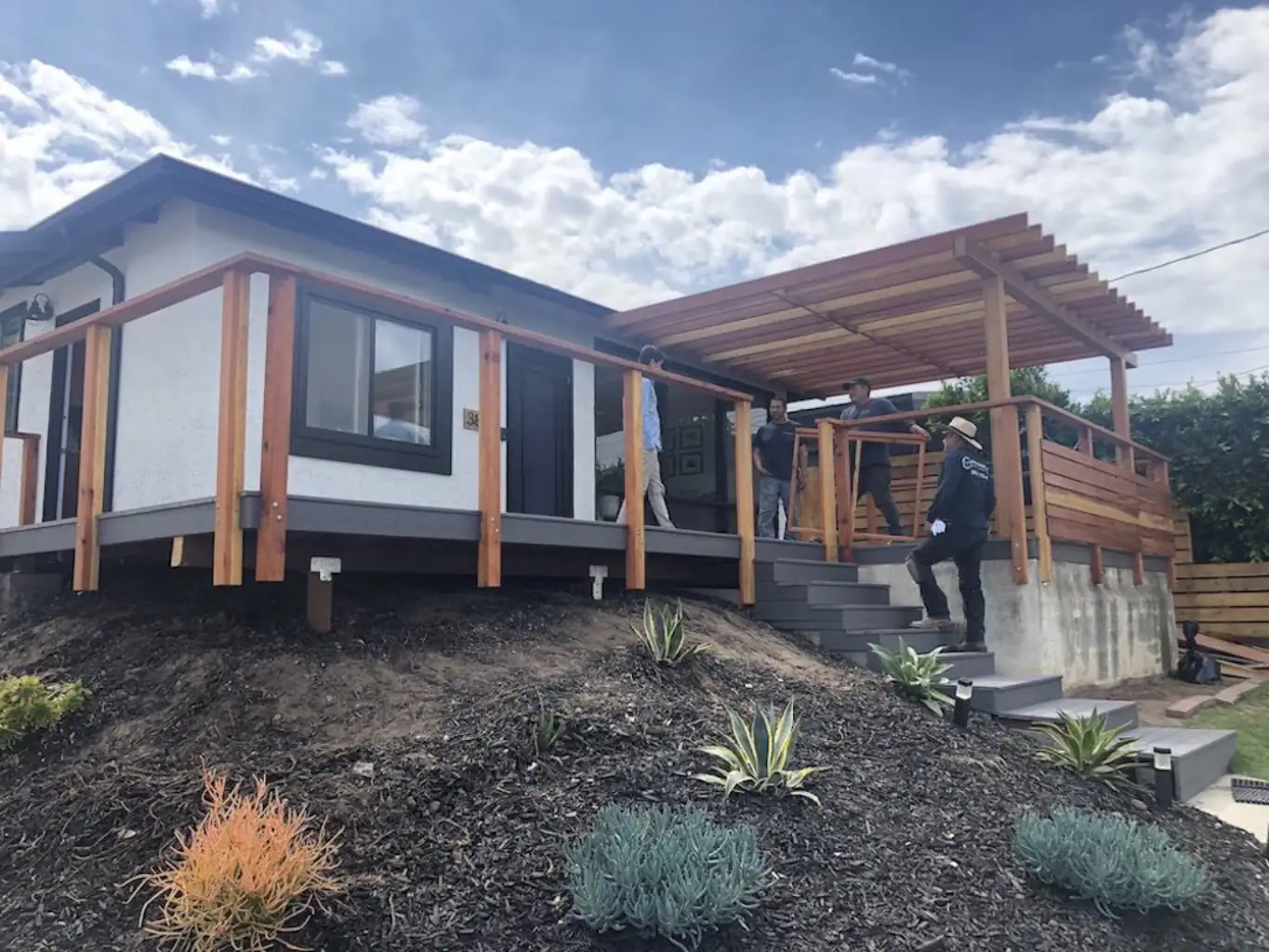
In practice, the most common reason a Denver-metro ADU design gets sent back for revision at permit submittal is a setback miss. The proposed footprint or height quietly violates a limit the homeowner didn’t realize applied to their lot. A pre-design parcel check with the building department or a qualified designer catches these issues before any architectural fees get spent. Our Denver ADU design and build process walks through how the unit will integrate with patio space, fencing, and landscaping. All of those fall under the same setback rules as the dwelling itself.
Permitting Sequence: From Sketch to Inspection
The walkthrough starts with a zoning check on the specific parcel: lot size, allowed use, setback dimensions, height limits, and any historic or design overlay districts. With that confirmed, the architectural plans take shape around the zoning constraints. A complete plan set covers site plan, floor plans, elevations, structural details, and energy code calculations, plus any engineered details for ICF or other non-conventional construction.
From there, the team submits the permit application to the city’s building department, along with the site plan, structural calculations, and required application fees. The city’s review usually moves through multiple departments at once, zoning, building, fire, public works, and sometimes design review. Comments come back, the design team responds with revisions, and the permit is eventually issued.
Construction begins under the issued permit. Required inspections cover foundation, framing or ICF pour, rough mechanical, rough electrical, rough plumbing, insulation, drywall, and final occupancy.
Typically, the total time from complete application submittal to permit issuance runs 8 to 16 weeks in Denver and Lakewood for a straightforward detached ADU. Surrounding metro municipalities run 10 to 20 weeks. Foothills counties run 12 to 28 weeks. Construction itself usually runs another 8 to 14 months from permit issuance to final inspection depending on size, complexity, and contractor backlog.
The Specific Gotchas That Cost Time
Five categories of issues cause the most delays in current Denver-metro ADU permitting. Parking tops the list. Some zones require off-street parking for the ADU separate from the primary residence’s parking. Lots that cannot accommodate the extra parking either need a waiver or a redesigned site plan. Fire department access is the next common snag. ADUs over a certain size or distance from the primary structure can trigger fire-access requirements (driveway width, turning radius, hydrant proximity) that add cost. Utility connections are a third recurring cost. Bringing water, sewer, gas, and electrical service to a new detached ADU often requires trenching and new service taps that need utility coordination.
Design review trips up projects in specific historic districts and overlay zones in Denver and some surrounding cities, adding time and sometimes architectural adjustments. The fifth common issue is energy code compliance. Colorado has adopted increasingly strict energy codes, and ADU plans have to demonstrate compliance through either a prescriptive path or whole-building performance modeling. ICF construction often simplifies energy compliance because the whole-wall performance is high enough to pass with margin. This is one of the reasons ICF appears on so many recent ADU plans in the Denver metro.
Foothills counties add septic and well issues to this list. The septic system on the parcel has to have capacity for the additional dwelling, and the well has to demonstrate sustained yield sufficient for two homes. Capacity assessments typically run two to four weeks and add cost. If the existing septic system is insufficient, replacement or expansion adds substantial cost (often $25,000 to $60,000) to the project total.
Working With the Building Department Rather Than Around It
The most effective Denver-metro ADU projects engage the building department early and openly. A pre-submittal meeting with the assigned reviewer (sometimes called a pre-application conference) catches most of the issues that would otherwise come back as permit comments and revision cycles. The investment is usually one to three hours of meeting time, and the payoff is weeks of saved review later. Denver and Lakewood both offer pre-submittal services that are well worth booking before any formal application goes in.
The homeowner has three real jobs during permitting. The biggest is delivering accurate property information up front: survey, deed, easements, and existing conditions. The second is making timely design decisions whenever the team asks for one. The third is responding promptly when the city sends a request for additional information. Delays at the homeowner stage flow straight through to the project schedule. Builders who work in the metro routinely can help homeowners stay ahead of those decision points so the project keeps moving.
Every lot has its own permitting story, and the only reliable way to know yours is to look at the parcel rules together. Get a free estimate and we’ll walk through the realistic schedule and budget for your project once the parcel-specific rules are confirmed.
Frequently Asked Questions
Do I need a special permit to build an ADU in Denver?
Most Denver lots only need a standard residential building permit plus an ADU-specific zoning verification. No special use permit, variance, or rezoning is required in the typical case. The application moves through Denver Community Planning and Development the same way other residential builds do, with an extra zoning review layer for the ADU rules.
How long does ADU permitting take in Lakewood?
Lakewood currently runs roughly 8 to 16 weeks from a complete submittal to an issued permit for a straightforward detached ADU. Larger projects, anything that triggers design review, and applications that come back with comment cycles all stretch that timeline. Booking a pre-application meeting with Lakewood’s building department before submitting usually shortens the review window noticeably.
Do foothills counties require septic capacity assessments for ADUs?
Yes. Jefferson, Boulder, and Clear Creek counties want proof that the existing septic system has capacity for the additional dwelling. If not, the project must show the system can be expanded or replaced to handle it. A capacity assessment typically takes 2 to 4 weeks and lands in the low four figures. When the existing system falls short, foothills ADU projects often shift to a connected (attached) ADU design instead of a detached build.
Are short-term rentals allowed in Denver ADUs?
Denver allows short-term rentals in ADUs only when the owner occupies the primary residence on the same parcel. STR licensing is a separate process from the building permit, handled by Denver’s Excise and Licenses division. The rules have shifted several times in recent years, so anyone counting on STR income should verify the current policy before designing around it.
Will I need a survey for ADU permitting?
Yes. Almost every Denver-metro ADU application asks for a recent survey showing existing structures, easements, property lines, setbacks, and topography. Surveys older than about 10 years usually need to be updated or supplemented. The metro typically charges anywhere from a few hundred to a few thousand dollars for a survey, depending on lot complexity.
Can the same builder do design and construction for an ADU?
Yes. Many Denver-metro builders offer design-build services for ADUs, which keeps the same team responsible for the design-permit-construction sequence from end to end. Homeowners who prefer a clean separation can also hire architects, designers, and engineers independently and bring in the contractor only for the build.