
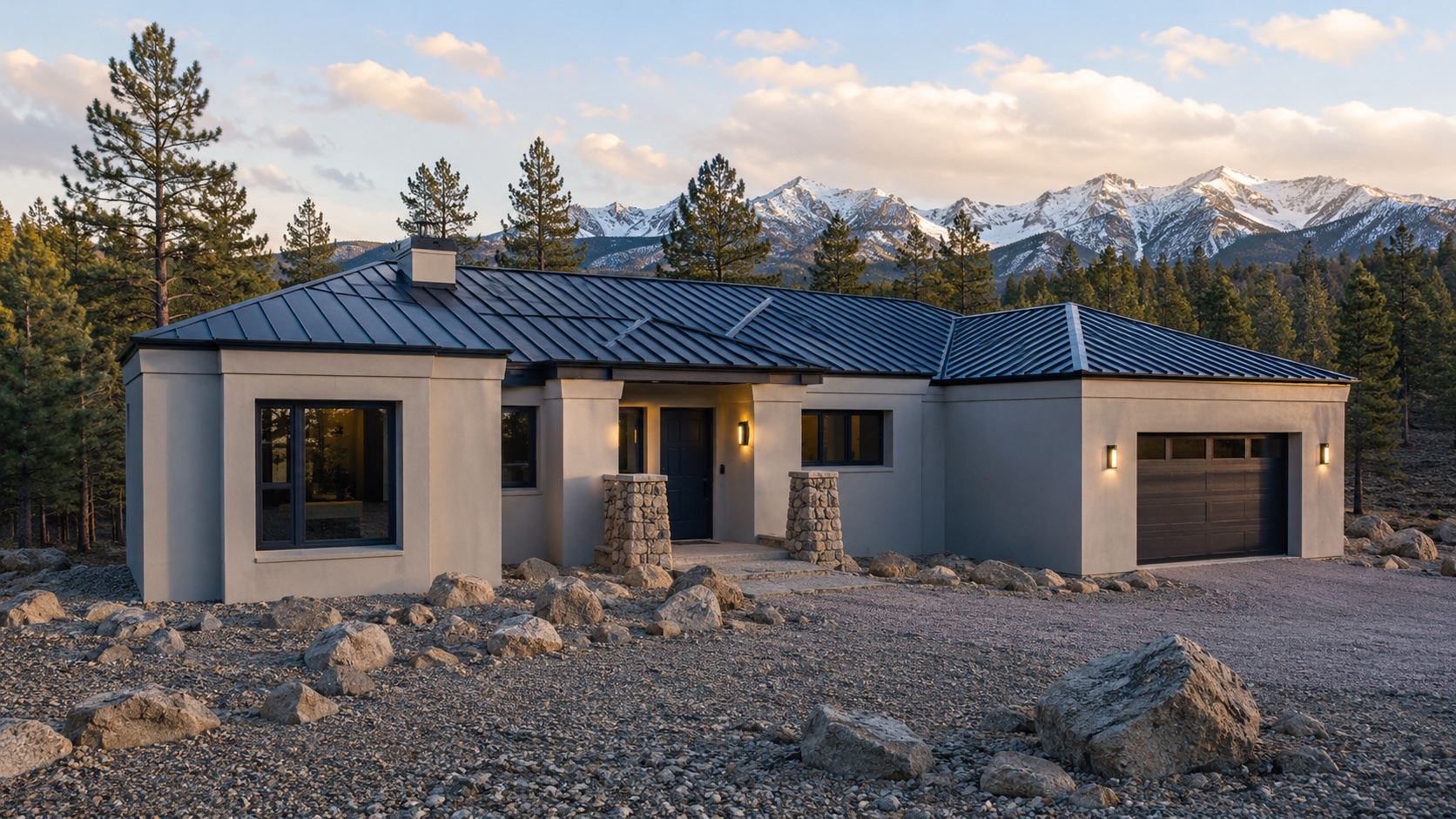
TL;DR: As Colorado insurers pull back from wildfire zones, more homeowners are choosing noncombustible ICF construction to make a property easier to insure and keep.
ICF construction is drawing new interest from Colorado homeowners for a reason that has little to do with energy bills and everything to do with the insurance letter in the mailbox. Insulated concrete form construction builds walls from rigid foam and cast-in-place reinforced concrete, producing a noncombustible wall assembly that does not burn and holds up under radiant heat. In a state where carriers are tightening or withdrawing coverage in wildfire-exposed areas, that noncombustibility has become a practical asset rather than just a performance bragging right. Homeowners who have watched neighbors get non-renewed are asking a sharper question than they used to: not just how a wall performs in a fire, but how it affects whether the home can be insured at all.
The Colorado Insurance Squeeze
Colorado’s homeowners insurance market has tightened sharply in recent years, driven by a run of costly wildfire and hail seasons. Carriers have responded the way carriers do under pressure: raising premiums, narrowing coverage, declining to write new policies in high-risk zip codes, and in some cases non-renewing existing customers in the foothills and mountain communities. For homeowners in mapped wildfire zones, the experience has shifted from shopping for the best rate to scrambling to find any standard carrier willing to write the property.
The state has acknowledged the gap directly. Colorado created a FAIR Plan, an insurer of last resort, for property owners who cannot find coverage in the standard market. The plan’s own guidance is blunt about what it is: to qualify, you must provide proof that three different insurance companies have declined to insure your property, and the coverage is limited, paying actual cash value rather than full replacement cost. It exists as a backstop, not a substitute for standard insurance, which is precisely why homeowners would rather do whatever keeps them eligible for a normal policy in the first place.
That is the backdrop against which construction choices now get evaluated, and it is why a growing number of homeowners now call a Denver ICF construction crew before they finish shopping for a second insurance quote. A wall system that reduces a property’s wildfire vulnerability is no longer just a comfort upgrade; it is part of how a homeowner stays in the standard insurance market instead of the last-resort one.
Why ICF Enters the Insurance Conversation
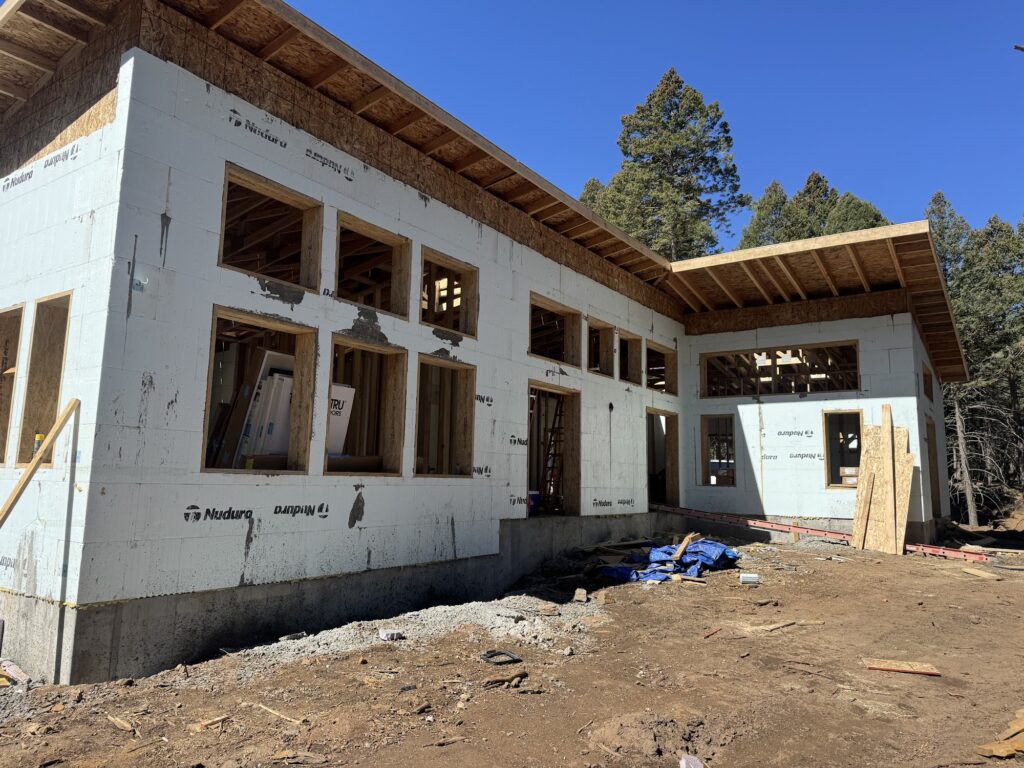
Insurers price risk, and the risk that has reshaped the Colorado market is structure loss to wildfire. An ICF wall speaks directly to that risk. The concrete core has no fuel value, so the wall itself cannot ignite, and the exterior foam sits behind a noncombustible finish such as stucco, fiber cement, or masonry veneer. Where a conventionally framed wall can char, crack, and ignite under the radiant heat of nearby burning vegetation, a concrete wall stands. An experienced ICF crew is effectively building the wildfire mitigation into the structure rather than bolting it on afterward.
It is important to be precise about what this does and does not mean for insurance, because the honest answer is more nuanced than a sales pitch. Some carriers offer premium credits for noncombustible exterior wall construction, and some do not; underwriting rules vary by company and change over time. No builder can promise that ICF will lower your premium by a specific amount or guarantee that a particular carrier will write your policy, because those decisions belong to the insurer and depend on the whole property, not the walls alone. What ICF does is remove one of the major risk factors an underwriter weighs, which in the current Colorado market can matter as much for availability as for price. For a home in a zip code where carriers are pulling back, being demonstrably less likely to burn can be the difference that keeps a standard policy on the table.
Insurance Is Earned by the Whole Building, Not One Wall
A wall system is one input, and homeowners considering ICF for insurance reasons should understand that underwriters look at the entire property. The roof class, the vents, the eaves, the windows, and the defensible space around the home all factor into how a carrier assesses wildfire risk. An ICF home with a wood-shake roof and shrubs pressed against the siding has not solved its risk problem; it has solved one part of it. The construction that tends to satisfy cautious underwriters pairs noncombustible walls with a Class A roof, ember-resistant vents, enclosed noncombustible eaves, and a maintained buffer of cleared space.
This is why so many custom home construction projects in Colorado’s higher-risk areas now specify the full package from the design stage. Building the whole envelope to a recognized ignition-resistant standard is far cheaper than retrofitting individual elements later, and it presents an underwriter with a coherent, low-vulnerability home rather than a mix of strong and weak points. The wall is the most visible upgrade, but the buffer and the roof do as much of the work.
What This Looks Like for Existing Homeowners
Not everyone weighing ICF is building from scratch. Some homeowners facing non-renewal are deciding whether a rebuild, an addition, or a detached structure should use ICF, and others are simply trying to understand their options. A few realities are worth knowing. Converting an existing framed home to ICF walls is generally not practical, because ICF is a structural system poured in place, not a cladding you apply over framing. Where ICF makes sense for an existing property is in new construction on the lot: a rebuild after a loss, a substantial addition, a detached garage, or an accessory dwelling unit built to the noncombustible standard.
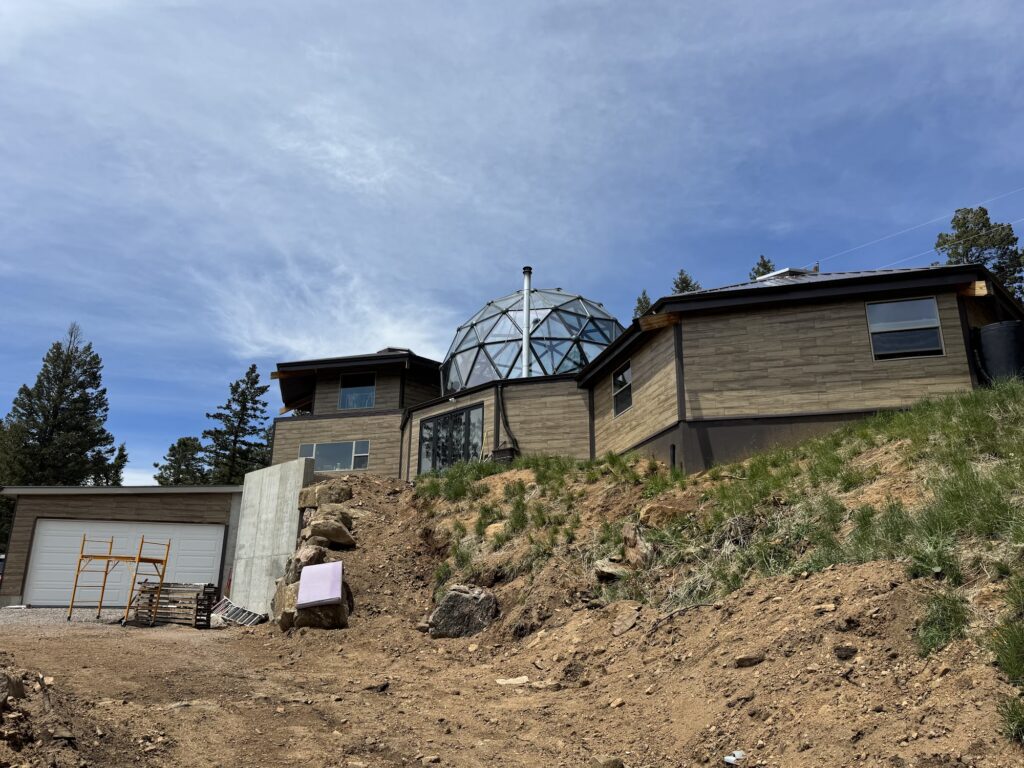
For homeowners rebuilding after a wildfire, the decision is often the clearest, because they are already starting over and have direct experience with why the standard market grew cautious about their address. Building back with noncombustible walls, a hardened roof, and proper defensible space gives the new structure a fundamentally different risk profile than the one that was lost. It does not erase the wildfire exposure of the location, but it changes what an underwriter sees when they evaluate the rebuilt home.
A Careful Word on Promises
The wildfire insurance situation in Colorado is genuinely difficult, and it is easy for a construction conversation to drift into promises no builder can keep. Fire resistance is real and measurable; specific carrier behavior is neither, because it depends on each insurer’s appetite, the broader market, regulatory changes, and the full risk picture of an individual property. ICF reduces wildfire vulnerability, and reduced vulnerability is what insurers reward, but the path from a better-built home to a better insurance outcome runs through an underwriter we do not control. The right framing is that ICF and full envelope hardening improve your position, sometimes substantially, without guaranteeing any one carrier’s decision.
Homeowners who want a realistic read on whether ICF fits their situation, whether for a rebuild, an addition, or a new mountain home, should start with the building and the site rather than the insurance brochure. If you want to talk through what noncombustible construction would mean for your specific lot and exposure, request a quote and we will walk through the wall system, the roof, and the defensible space as one connected decision. Pair that with a conversation with your own insurance agent about how your carrier treats noncombustible construction, and you will have the full picture before committing.
Frequently Asked Questions
Will building with ICF lower my homeowners insurance premium?
It might, but no builder can promise it. Some carriers offer credits for noncombustible exterior wall construction and some do not; underwriting varies by company and changes over time. In the current Colorado market, ICF often matters as much for coverage availability as for price, because it removes a major wildfire risk factor underwriters weigh.
What is the Colorado FAIR Plan?
It is the state’s insurer of last resort for property owners who cannot find coverage in the standard market. Eligibility requires proof that three different insurers have declined the property, and coverage is limited to actual cash value rather than full replacement. It exists as a backstop, which is why homeowners prefer to stay eligible for standard policies.
Does ICF guarantee my home will be insurable?
No. Insurers evaluate the whole property, including roof class, vents, eaves, windows, and defensible space, not the walls alone. ICF reduces wildfire vulnerability, which insurers reward, but the decision belongs to the underwriter and depends on the full risk picture of the home and its location.
Can I convert my existing framed house to ICF?
Generally not in a practical sense, because ICF is a structural system poured in place rather than a cladding applied over framing. ICF makes sense for new construction on the lot: a rebuild after a loss, a substantial addition, a detached garage, or an accessory dwelling unit built to the noncombustible standard.
Is ICF enough on its own to protect against wildfire?
No single feature is enough. ICF walls are noncombustible and remove the wall as an ignition point, but a Class A roof, ember-resistant vents, enclosed eaves, and maintained defensible space all share the work. The strongest results come from building the entire envelope to a recognized ignition-resistant standard.
Should I choose ICF mainly for insurance reasons?
Insurance is one factor, and a real one in Colorado’s current market, but ICF also delivers energy efficiency, durability, and quiet that homeowners value regardless of coverage. The soundest approach is to weigh ICF on the full set of benefits for your lot and goals, then confirm how your specific carrier treats noncombustible construction.